German exports "slow down" - China and the eurozone weaken demand, while the US brings a positive signal

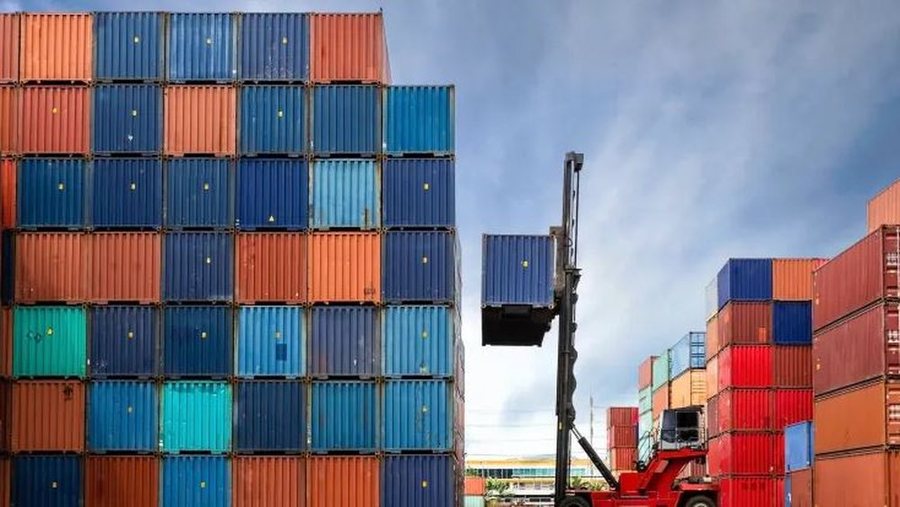
Germany's export engine is losing steam. German exports fell in July for the first time in five months, raising questions about the strength of the recovery in Europe's largest economy.
According to preliminary data from the German statistics office, Destatis, exports fell by 0.8% compared to June, falling to 138.2 billion euros. The decline was bigger than analysts had predicted, who had expected a contraction of just 0.5%. The main blow came from European markets and China. Exports to China fell by 9.5%, while shipments to other eurozone countries decreased by 2.8%.
The figures come at a delicate moment for the German economy. Just days earlier, July industrial production data also came in weaker than expected, raising concerns that German industry may not yet be on the path to a sustained recovery.
But while China and Europe are curbing demand for German goods, trade with the United States is painting a very different picture. Exports to the United States, Germany's top destination for goods, rose by more than 19% in July. That's a significant recovery after the previous trade slump linked to U.S. tariffs.
However, the increase in shipments to the US market was not enough to offset the weakness in other major markets. At the same time, German imports fell by 5.7%, to 116.9 billion euros. As a result, the country's trade surplus widened to 21.3 billion euros.
At first glance, a larger surplus might seem like a positive development for the German economy. But falling imports and weakening exports could simultaneously indicate that economic activity and domestic demand are remaining under pressure.
Germany has gone through a difficult period for industry in recent years, hit by high energy costs, increased international competition and weakening demand for its industrial products, especially in traditional sectors such as automobiles, machinery and chemicals.
At the beginning of the year, however, the picture looked more optimistic. Economic indicators turned out to be stronger than expected, and several German research institutes recently upgraded their forecasts for economic growth in 2026, to around 1.2% to 1.4%.
New data on exports and industrial production threaten to dampen this optimism. For the German economy, the return of exports is particularly important, as the country relies heavily on industry and international trade. Weakening demand in China and the eurozone, two key markets for German companies, could limit the scope for a rapid recovery.
Meanwhile, strong growth in exports to the US offers a positive point, but also highlights the dependence of the German economy on developments in global markets. Markets will now focus on data in the coming months to understand whether the July decline was a temporary deviation or a sign of a broader slowdown. For Germany, the question is whether the economy is finally recovering from years of weakness, or whether its traditional export engine is losing steam again.

Kuvendi i Kosovës zgjodhi kryetaren, Albulena Haxhiu, por pa nënkryetarët nuk konstituohet
Pas më shumë se një muaj që nga certifikimi i rezultateve të zgjedhjeve të qershorit, Kuvendi i Kosovës zgjodhi kryetaren, Albulena Haxhiu, por jo edhe......
Legalizations, new rules - 90 days deadline for possessors, accelerated procedures and conflict resolution
The government is proposing amendments to the law on the completion of transitional ownership processes. Through a draft law issued for public consultation,......

Gas is flying, Europe on alert - Prices reach highest levels since 2023. IEA calls for strategic reserves
Natural gas prices in Europe have hit their highest level since the beginning of 2023, exceeding 79 euros per megawatt-hour. The increase comes at a time......

PISA on alert, student results in Europe fall - OECD: Math and reading at the lowest level in a decade
The results of the international PISA test show a sharp decline in the skills of 15-year-old students in mathematics and reading. The latest OECD report......

“Ekonomia, ecuri pozitive” - Guvernatori i Bankës së Shqipërisë, Sejko takon delegacionin e Bankës Botërore
Guvernatori i Bankës së Shqipërisë, Gent Sejko, priti në takim një delegacion të Bankës Botërore. Guvernatori Sejko theksoi se ekonomia shqiptare ka vijuar......

Social dialogue in Albania - Manjani: We are preparing to function as Europeans
Social dialogue and European standards in the field of employment were the focus of a two-day workshop, where Albania and North Macedonia discussed the......

Student Loan - Subsidy from the state, the scheme covers fees and living costs
Students who are unable to afford university fees or living expenses with their family income will again have the opportunity to finance them through student......
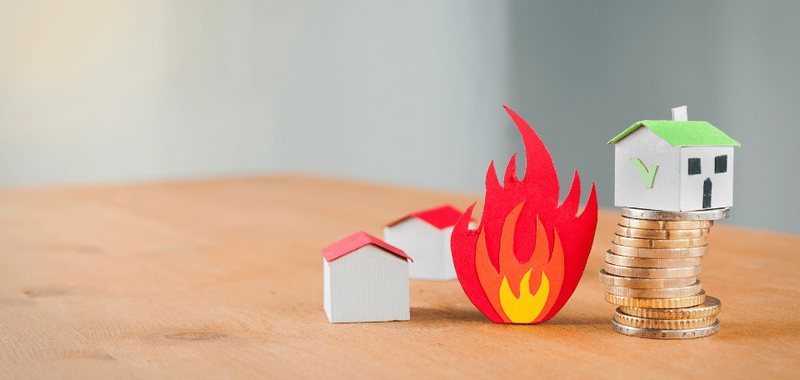
Properties without fire protection - AFSA: Albanians' interest remains low despite increased risk
Despite the fact that from year to year, Albania is being engulfed by a heat wave that brings about the outbreak of numerous fires, which often endanger the......