EU doubles tariffs on imported steel - Aims to protect industry from strong competition from China

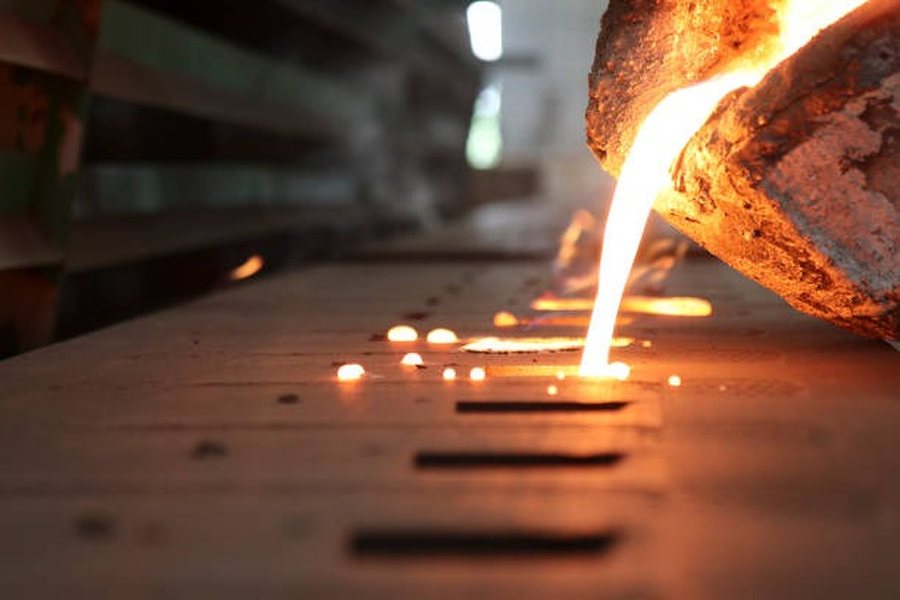
The European Union is significantly strengthening its steel protection measures, after MEPs and member states decided to double customs duties on steel imported from third countries. The aim is to protect European industry from strong competition, mainly from China, which offers large quantities of products at particularly low prices.
The agreement, reached late Monday evening, sees tariffs on steel imports rise to 50%, from 25% previously, while import quotas are cut by 47% in an effort to curb the oversupply that is weighing on European prices.
"The structure and global position of the European steel sector are fundamental elements for our strategic autonomy and industrial strength. We cannot ignore the global overproduction that has reached critical levels," said Trade Commissioner Maroš Šefčovič.
The Commissioner stressed that the decision will help ensure "the stability that our producers need so much to thrive in Europe", underlining the importance of protecting the sector from international pressures.
The agreement is based on a proposal by the European Commission presented last year. It envisages a reduction in duty-free import quotas to 18.3 million tonnes per year, half the current levels. This volume corresponds to the total steel imported into the EU in 2013, a year after which, according to Brussels, the market became unbalanced due to overproduction - mainly in China, which massively subsidises the steel industry and now produces more than half of the steel available internationally.
The new measures will apply to products imported from all third countries, with the exception of the European Economic Area (EEA) countries, namely Iceland, Liechtenstein and Norway.
The current regime, which imposes a 25% tariff on steel imports above quotas, expires at the end of June. The new agreement will enter into force after its formal approval by the European Council and the plenary session of the European Parliament.
Record sales of electric cars in March - Global trend after fuel price increase
High fuel prices in Europe steered car buyers toward electric vehicles in a record March and led to the first month of global growth in electric vehicle......
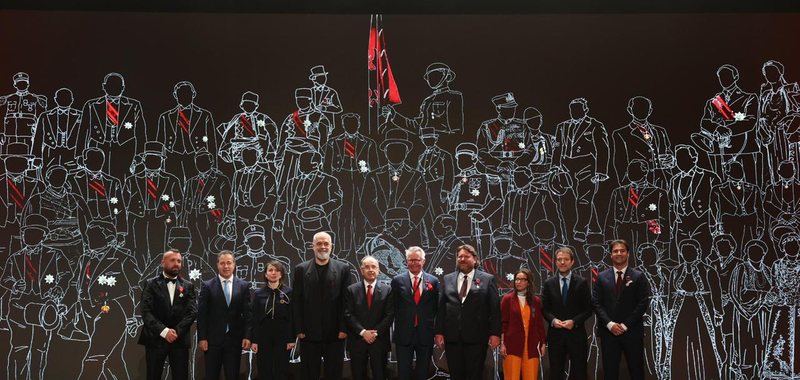
Diaspora Summit, President Bajram Begaj: You are our power and strength!
The President of the Republic, His Excellency Bajram Begaj, today welcomed the opening of the IV Summit of the Albanian Diaspora. During this speech,......
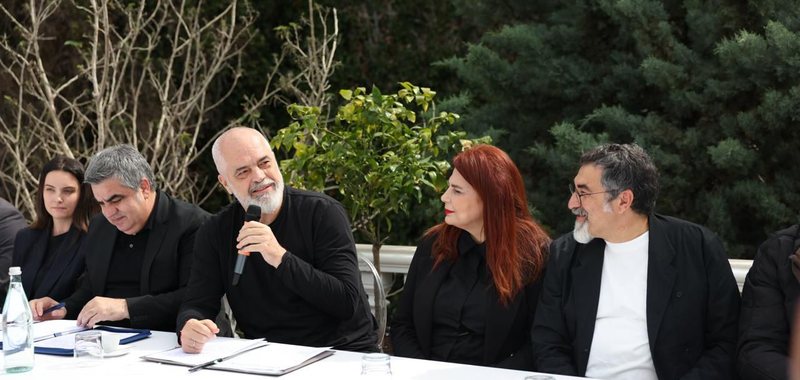
"Prices should reflect the quality of service", Rama talks with tourist operators in Vlora
Prices on the coast should not compromise the quality of treatment, this is the advice that Prime Minister Rama gave to Vlora's tourist operators at a......
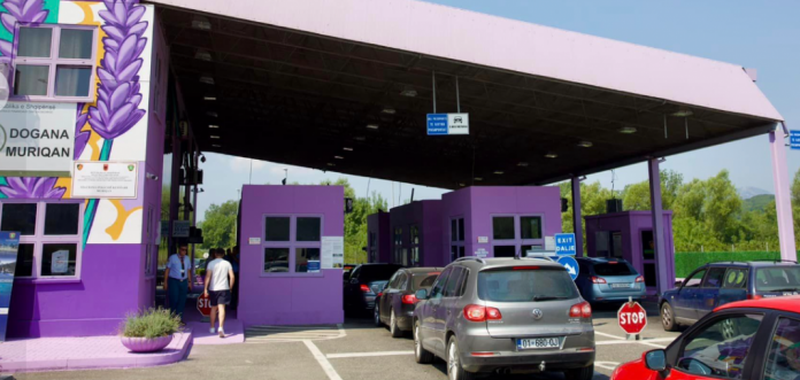
DPD: 3-day blockade for heavy tonnage vehicles towards Montenegro, Serbia and Bosnia and Herzegovina
The General Directorate of Customs informed today that in the next three days there will be a temporary blockage of the movement of heavy tonnage vehicles at......
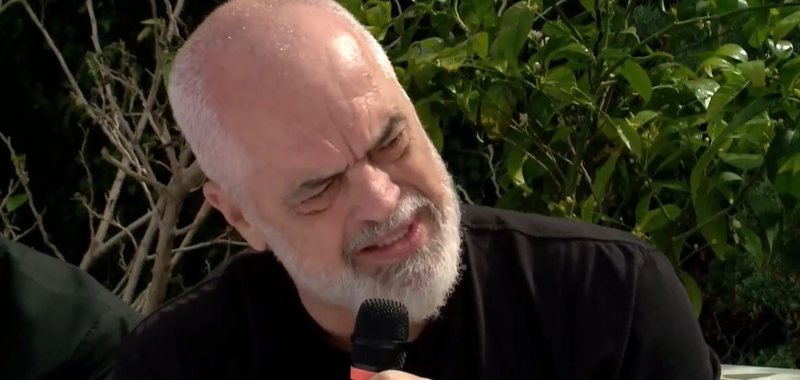
Rama: Rritje turistësh për muajin mars nga SHBA e vendet e BE-së
Kryeministri Edi Rama, zhvilloi sot në Vlorë një bashkëbisedim me operatorët turistik mbi sezonin turistik, rritjen e cilësisë së shërbimeve, mbështetjen për......
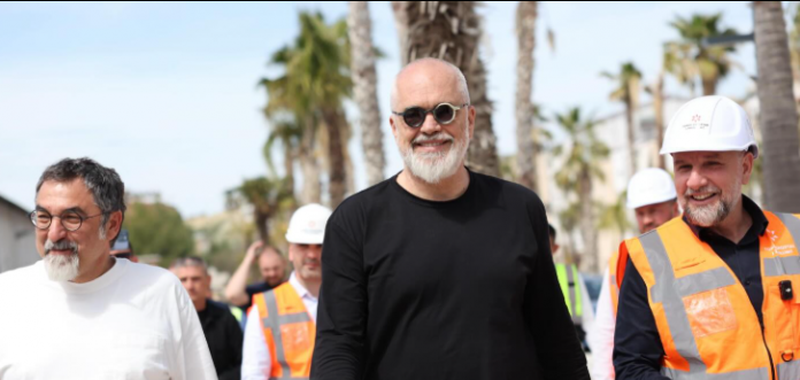
Rama: In Vlora where Albania's affairs speak for themselves and the tourist season is expected with optimism
Prime Minister Edi Rama was in the city of Vlora today, where he saw firsthand the preparations for the tourist season and the work done on the ground by local......
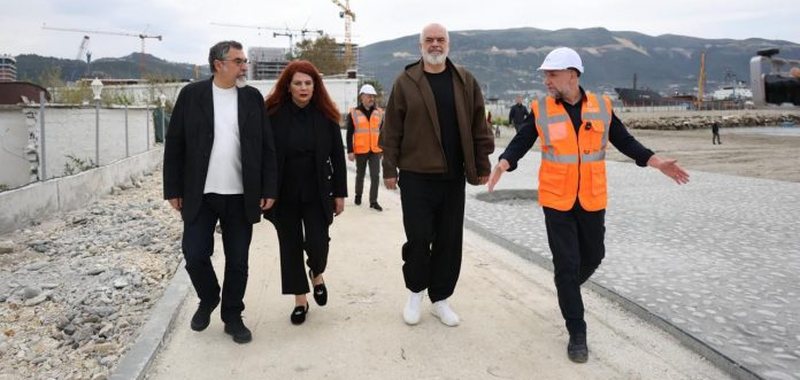
Rama inspects "Lungomare 4": New promenade increases tourism and investments, solution sought for parking
Prime Minister Edi Rama inspected today the works at the “Lungomare 4” construction site in the city of Vlora. During the visit, the head of government stated......
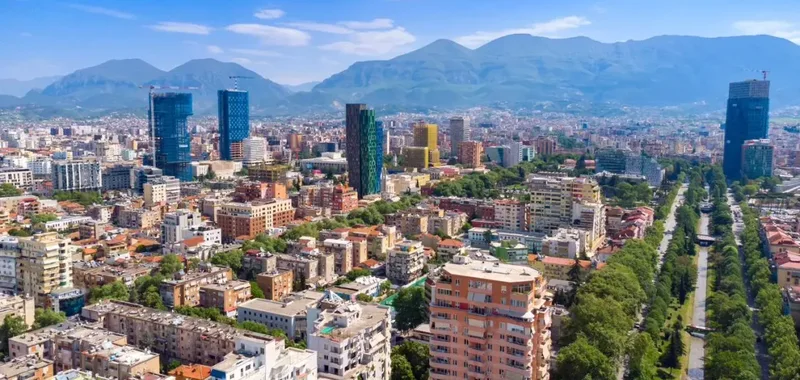
"Through our roots we rise" - Albanians of the diaspora gather in Tirana
"'We rise through our roots', this is the motto of the 4th Diaspora Summit that opens its doors this Monday in the capital and until Wednesday, dozens of......