From AI breaches to geopolitical threats - Here's what to expect from cybersecurity in 2026

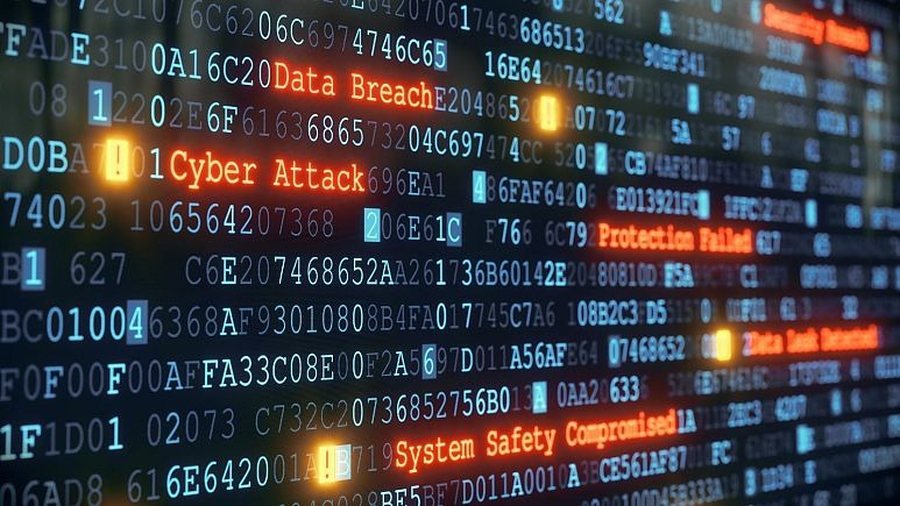
In 2025, Europe faced a wave of cyberattacks: from airport disruptions and allegations of election sabotage to GPS spoofing on the flight of European Commission President Ursula von der Leyen and attacks on satellites in space.
These cyberattacks also had major financial impacts, costing countries like France, Germany, Italy, and Spain a total of 300 billion euros in the last five years.
The need to address cybersecurity is more urgent than ever, and it is expected to be a major priority for governments. 2026 will be the year in which operations by actors such as Russia, China, Iran and North Korea will expand, the global market research company wrote in its cybersecurity forecast report.
The company said political instability and new technology will force cybersecurity and risk leaders to adapt this year.
One area that Google sees as particularly vulnerable to Chinese attacks is the semiconductor sector, due to competition from rivals such as Taiwan's TSMC and US export restrictions.
Russia's cyber operations are expected to continue in Ukraine, but will also "prioritize long-term global strategic goals," Google's report added, such as increasing information operations against the United States and other Western countries.
Artificial intelligence (AI) will reshape both the way attacks are carried out and the way they are defended against by 2026, according to Google and US cybersecurity firm Fortinet, which publishes an annual Global Threat Landscape Report.
Both companies singled out artificial intelligence agents, which are designed to take autonomous actions to help people and don't require a human to tell them what to do, as a new challenge for security teams.
Google also predicts that artificial intelligence will be used for new attack techniques, such as rapid injection, which manipulates artificial intelligence systems to bypass their built-in security protocols and follow hidden commands.

Apple leads the global smartphone market - With 20% of the share in 2025. Samsung, second with 19%
Global smartphone shipments in 2025 grew 2% year-on-year, driven by stronger demand and economic momentum in emerging markets, Counterpoint Research......

Lower oil prices in 2026 - Goldman Sachs also predicts increased supply
Oil prices could fall this year as a surge in supply creates a glut in the market, although geopolitical risks related to Russia, Venezuela and Iran will......
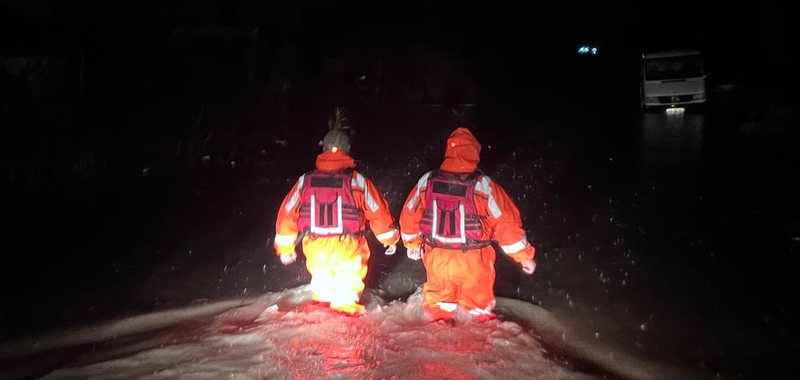
Announcement on the situation created by bad weather in the country
Intense rainfall and snowfall over the past few hours have covered a large part of the country's territory, creating hydrological and infrastructural......
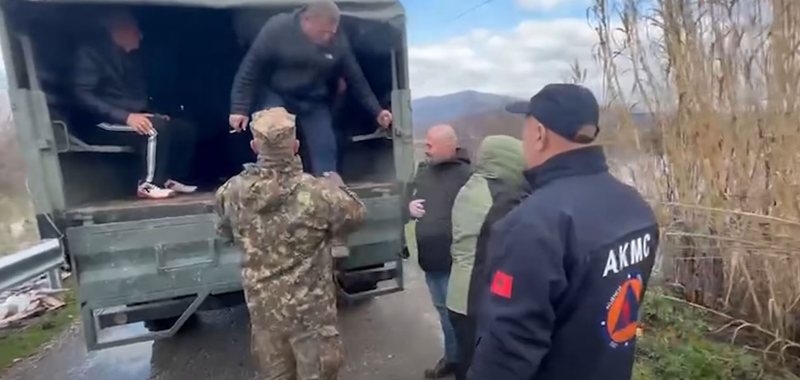
Over 100 Armed Forces personnel on the ground assisting citizens
The Armed Forces continue their intense and uninterrupted engagement on the ground to manage the situation caused by the intense rainfall that has engulfed......

Problems in some districts as a result of rainfall
As a result of the intense rainfall recorded during the last few hours, problems related to increased flows in several rivers, flooding of agricultural......

How often do Albanians travel to the Balkans? - RCC: 88% of citizens have moved within the region in the last year
Travel within the Western Balkan countries remains a common practice for citizens of the region, according to data published by the Balkan Barometer 2025.......

Lobbying, draft law raises debate among interest groups - The term should be redefined. Difference between public and private interest activities
From separating the public interest advocacy activity of civil society organizations from that of self-interest, to the illegitimacy of informal meetings of......
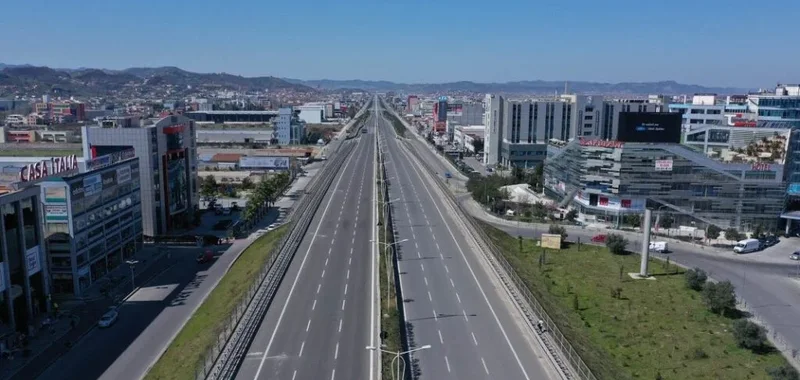
Tirana-Durrës, new lanes open this month - Kamza turn-Rinas overpass axis, Noni: We expect traffic improvement
The new lanes of the Tirana - Durrës highway, in the segment that starts after the Kamza turn and ends at the Rinas overpass, are expected to be opened for......