"Impact of sanctions on oil prices limited" - IEA: Excess production capacities will stabilize the global market

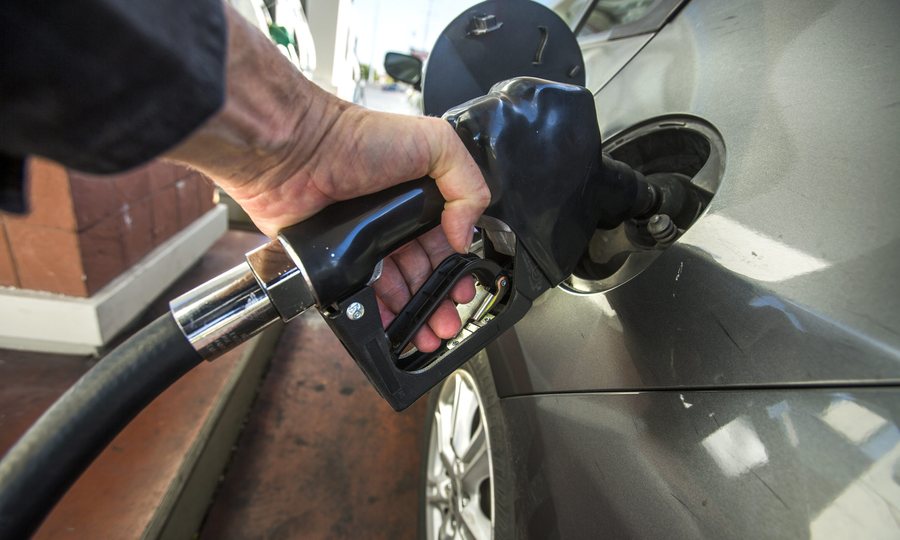
Sanctions against oil-exporting countries could boost prices, but the effect remains limited due to excess production capacity, said Fatih Birol, executive director of the International Energy Agency (IEA).
Last week, global oil prices rose more than 7%, with Brent crude trading around $65 a barrel, after US President Donald Trump imposed sanctions on Russian companies Rosneft and Lukoil. The move is aimed at increasing pressure on Russian President Vladimir Putin to end the war in Ukraine.
However, Birol stressed that the impact of sanctions on the oil market is limited, as major producers still have large unused capacities. “Sanctions can push up prices, but due to the large amount of oil that can be quickly placed on the market, prices are being held around the $60 per barrel level,” he said.
According to trade sources, Chinese state-owned oil companies have temporarily suspended purchases of Russian oil, while Indian refiners, the largest buyers of Russian oil transported by sea, are expected to significantly reduce their imports.
On the other hand, the Organization of the Petroleum Exporting Countries (OPEC) and its allies, known as OPEC+, are considering the possibility of a slight increase in production in December. "Despite the numerous geopolitical tensions in the world, such as in the Middle East, Russia, Ukraine or trade wars, the price of oil remains around $60 per barrel, exactly as we had predicted," Birol stated.
According to him, the oil and gas markets are entering a new period, where in the absence of major political tensions, oil and gas prices are expected to be lower. He added that between 2026 and 2030, about 300 billion cubic meters of liquefied natural gas (LNG) is expected to enter the market, half of which will come from the US, Canada, Australia and Qatar. Birol also underlined that coal will remain an important part of the electricity supply in the Asian region for at least the next ten years.
Meanwhile, in his speech, Birol called on Asian countries to invest more in the extraction and processing of critical minerals, which are essential for the production of green technologies, batteries and wind turbines. According to him, diversifying the supply chains of rare earth minerals is vital for energy security. In this regard, the United States signed a series of trade and critical minerals agreements with four Southeast Asian partners, to reduce dependence on Chinese suppliers and balance the trade deficit.
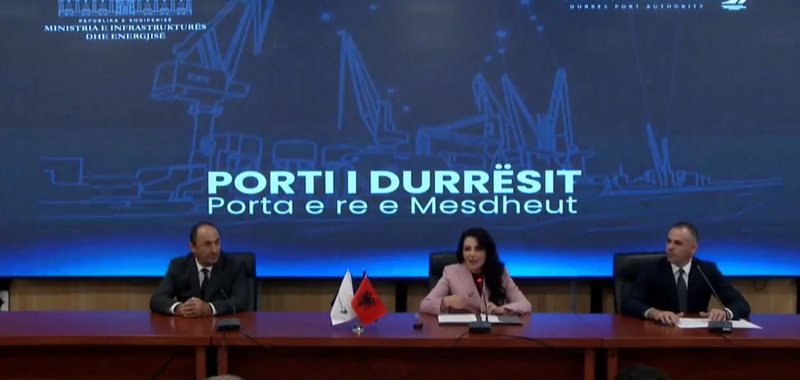
Deputy Prime Minister Belinda Balluku introduces the new director of the Port of Durres, Liburn Aliu
Deputy Prime Minister and Minister of Infrastructure and Energy, Belinda Balluku, has introduced the new director of the Durrës Seaport, Liburn Aliu. Balluku......
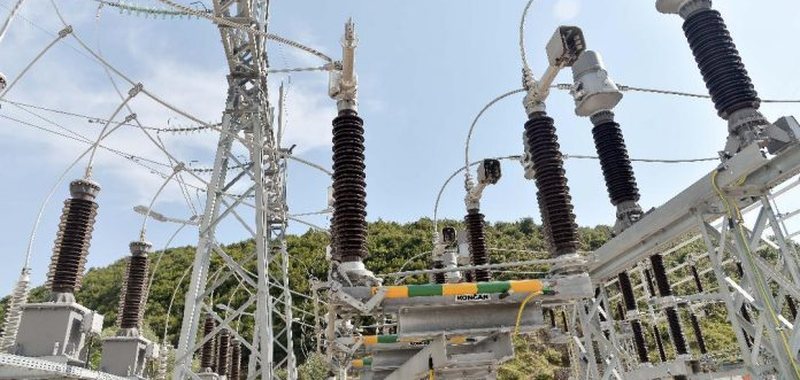
Reconstruction of the electrical network in Librazhd - OSSH project, about 120 million lek for improving quality
The Regional Directorate of OSSH Elbasan has announced the opening of the competition for the reconstruction of the low-voltage network and cabins in the......

"Delays in SEPA slow down financial integration" - Kosovo, 29 million euros in losses in the first six months of the year
The European Investors Council (EIC) has called for the swift completion of Kosovo's membership process in the Single Euro Payments Area (SEPA), describing......

Amazon to cut 30,000 jobs as company seeks to cut costs and reduce bureaucracy
Amazon is set to launch a new wave of layoffs that could reach up to 30,000 corporate jobs as the company tries to cut costs and offset excess hiring during......
Albania strengthens measures against money laundering - Draft law/Innovations according to FATF standards, higher control over financing
The government has strengthened measures against the phenomenon of money laundering in Albania and the financing of terrorism. Referring to the draft law......
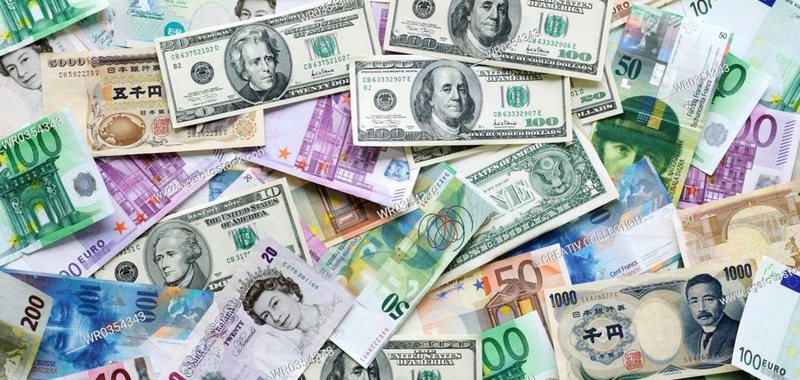
Fluctuations in the foreign exchange market – Dollar weakens. Franc gains points!
The US dollar started the day negatively, recording a decrease in value compared to yesterday, as it was bought this morning at 82.5 lek and sold at 83.5......

Green tax, from January 2027 - Greek families face 800 million euros in additional costs
Significant fuel price increases are expected from January 1, 2027, with the entry into force of new tariffs that will affect households and businesses......
How much is the minimum wage in North Macedonia really worth? - It does not cover the basic needs of families. Food prices, over 30% increase
On paper, the minimum wage in North Macedonia is 24,379 denars, or about 397 euros. But in reality, when you add up all the numbers, like prices, bills,......