Artemis II successfully returns to Earth - The ultimate goal, long-term presence on the Moon to explore Mars

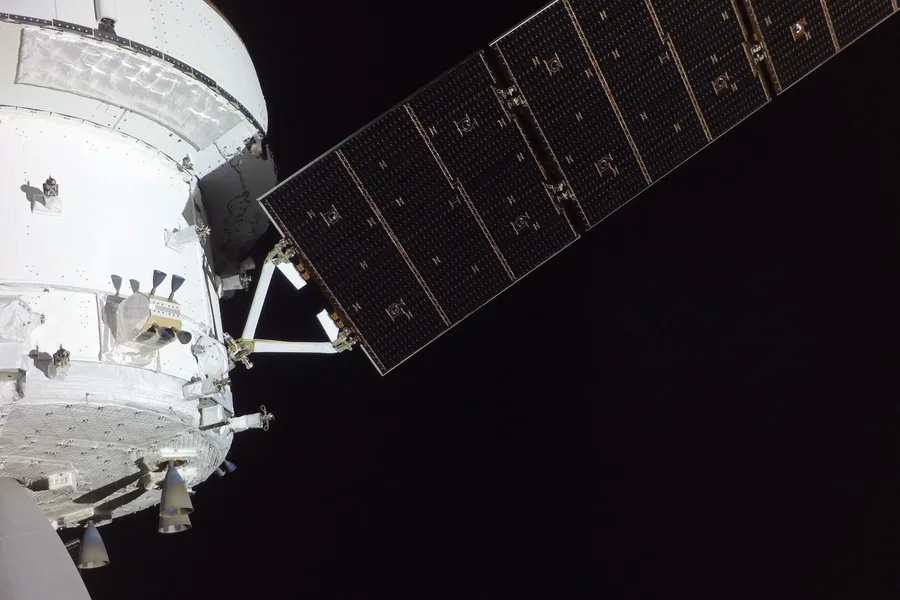
The Artemis II capsule and its four-member crew safely landed in the Pacific Ocean after nearly 10 days in space, concluding the first human trip to the moon in more than half a century. NASA's Orion capsule, called Integrity, landed gently in the water off the coast of Southern California, completing a mission that took astronauts deeper into space than any other.
Artemis II traveled a total of 694,392 miles, or 1,117,515 km, orbiting the Earth twice and reaching the far side of the moon, about 252,000 miles, or 400,000 km away. This was the first crewed test flight in a series of Artemis missions aimed at landing astronauts on the lunar surface, starting in 2028.
The most critical part of the mission was the entry into the Earth's atmosphere, as the front of the capsule generated a scorching temperature of 2,760 degrees Celsius for about 13 minutes, simultaneously cutting off radio communication with the crew.
The Artemis astronauts reached 406,771 km from Earth, surpassing the previous record of approximately 399,000 km set in 1970 by the Apollo 13 crew. The journey, which followed the uncrewed Artemis I test flight around the moon in 2022, marked a critical test for a planned attempt later this decade to land astronauts on the lunar surface for the first time since Apollo 17 in late 1972.
The ultimate goal of the Artemis program is to establish a long-term presence on the Moon, as a springboard for human exploration of Mars.
In a comparison to the Cold War-era Apollo program, the Artemis II mission has taken place against a backdrop of political and social turmoil, including America's military conflict in Iran, which has proven unpopular at home. Unlike the Apollo era, when the United States was racing to land astronauts on the moon before the Soviet Union, the Artemis program is seeking to beat China.

Energy Community Implementation Report (EnCS) for 2025 presented - Lorkowski: Progress in market liberalization, 50% of objectives achieved
The Energy Community Implementation Strategy (EnCS) for 2025 was presented, with the theme "Albania's path towards European energy integration". The......

''Promotion point and laboratory of excellence for olive oil'' - Prime Minister Rama: Promotion of this product in Berat
In the city known as the “city of one over another windows”, a special space is expected to be created for the promotion of local olive oil, turning it into......

Plastic pollution in Vjosa and Ishëm - Mazreku: Concrete measures, law enforcement problem. Gangloff: Integrated approach needed
Plastic pollution in the Vjosa and Ishëm rivers remains one of the main environmental challenges in the country, so it is necessary to move from data......

How can families cope with rising prices? - Muço: They should have savings in case of a global crisis
While the prices of many products have increased following the rise in oil prices, as a result of fluctuations in global markets, it is becoming more......

DPT: 415 thousand hours saved in March 2026 from online tax services
The tax administration's online services continue to bring significant convenience to citizens and businesses. During March 2026 alone, around 415,000 hours......

Energy Development, Karakaçi Hosts the Director of the Energy Community Secretariat, Artur Lorkowsi
The Minister of Infrastructure and Energy, Enea Karakaçi, had a meeting today with the Director of the Energy Community Secretariat, Artur Lorkowsi.......
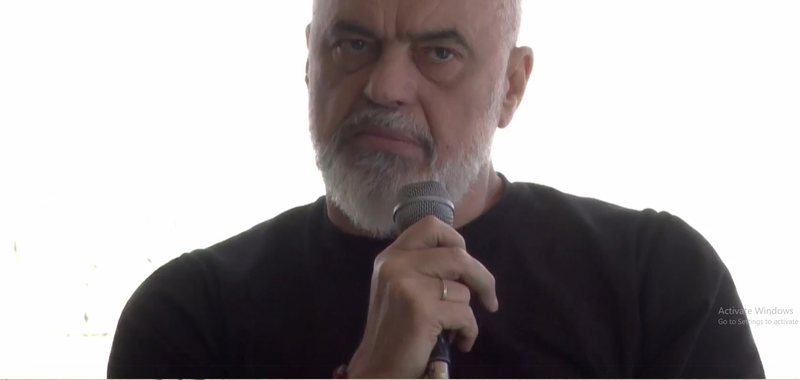
Rama with pensioners in Berat: Annual doubling of growth guaranteed 100% in the budget
Following his visit to Berat, Prime Minister Rama held a conversation today with the city's pensioners with a focus on economic growth in the country and the......

Oil scheme in agriculture, Prime Minister Rama: We have removed abuses, not support for farmers
The abolition of the oil scheme for farmers does not reduce support for agriculture, on the contrary, it creates the opportunity for more financing. Prime......