The consequences of the war in Iran are strengthening financial vulnerabilities/ ECB warning for the Eurozone. Borrowing costs expected to increase


The war with Iran and ongoing trade tensions could harm eurozone economic growth, raise borrowing costs and challenge the ability of some member states to support public budgets, a European Central Bank report has warned.
Financial markets have largely ignored the war in Iran, leaving stocks at high valuations, corporate borrowing costs low and the spread between sovereign bond yields across the 21-nation bloc at low levels, raising fears that investors may be complacent about risks.
"A scenario of significantly weaker growth coupled with a more persistent energy shock could trigger a reassessment of fiscal sustainability and an immediate repricing in sovereign bond markets," the ECB said.
Such a revaluation could raise corporate borrowing costs, triggering a feedback loop that could endanger financial stability and hit the real economy. This risk is particularly acute because governments are already financing a long list of urgent projects, limiting their fiscal cushions and their room for maneuver.
"High sovereign financing needs, linked, among other things, to defense spending, the green transition and possible fiscal measures to protect households and firms from rising energy prices, are likely to add to pressures in the medium term," the ECB added.
Compounding the issue is the growing exposure of hedge funds to government bond markets. While their presence increases liquidity in normal times, hedge funds are often highly leveraged, making price movements more sensitive to changes in sentiment, the central bank said.
Any sell-off in debt markets could also be exacerbated by relatively obscure non-bank financial intermediaries, which tend to be less liquid, have greater leverage and enjoy more relaxed regulation.
Such intermediaries have extensive connections to more traditional lenders and could infect an otherwise healthy banking sector, the ECB argued.
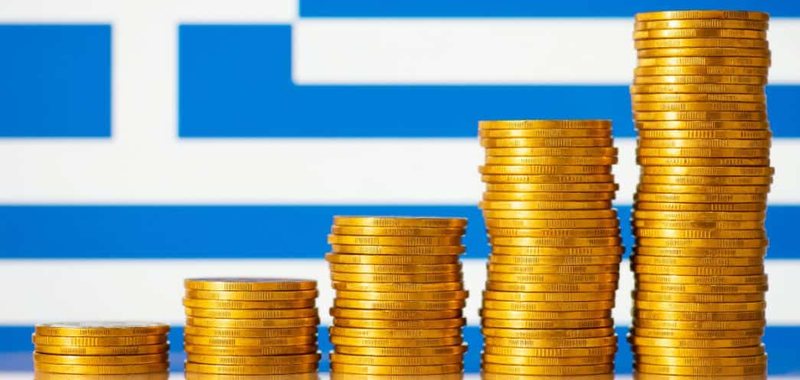
“Greece's fiscal sustainability improves”/ IMF: Strong investments and structural reforms are supporting growth
Greece has weathered the shock of the Middle East war with improved fiscal sustainability and financial stability, the International Monetary Fund says,......
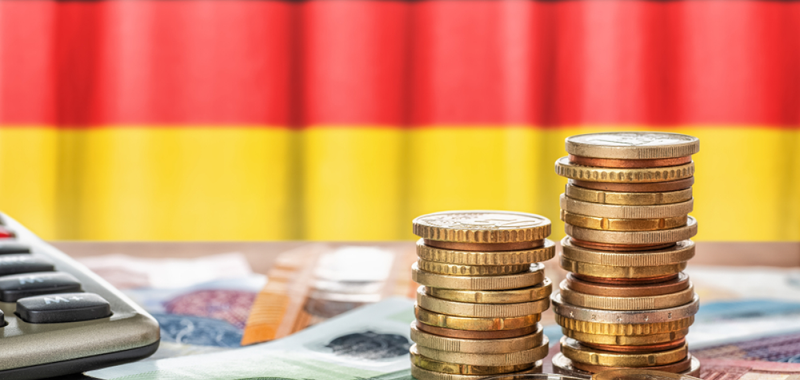
German economy in trouble/ Expected to shrink due to geopolitical influences
The German Council of Economic Experts lowered its economic growth forecast for 2026, warning that the war in the Middle East, rising energy prices and......

5 NATO countries, "no" to funding for Ukraine/ Oppose the proposal for a contribution of 0.25% of GDP
Britain, France and three other members of the North Atlantic Treaty Organization (NATO) have expressed opposition to a proposal that each member state......
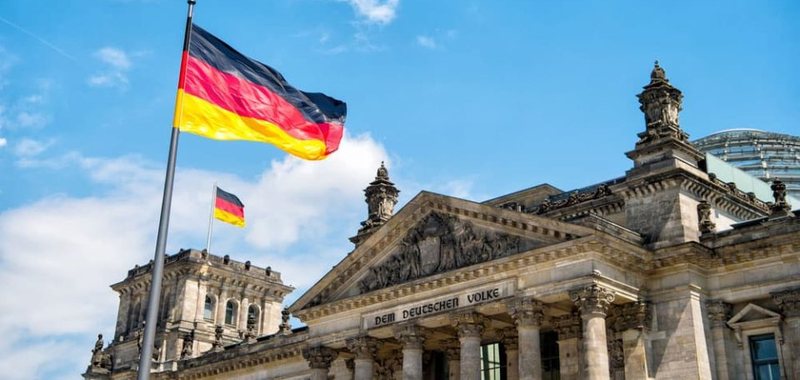
Germany's ultra-rich own over a quarter of the country's financial wealth
According to the new “BCG Global Wealth Report 2026,” the number of ultra-rich people in Germany is growing significantly. Global private financial wealth......
Albania presents CEFTA 2026 priorities/ Ibrahimaj: Focus on barrier-free trade and integration with the EU
At a key moment for Albania’s European integration process, the Albanian government has presented its priorities at the helm of CEFTA for 2026, focusing on......

DIVA 2025, Taxes begin reimbursement procedures for 34,263 beneficiaries
In a social media announcement, the General Directorate of Taxes announced the launch of the refund procedure for 34,263 individuals who declared 1 or 2......

Transparency Board sets new fuel prices
The Transparency Board has set new ceiling prices for fuel trading in the country this Tuesday, May 27, 2026. According to the decision taken at the next......

670 million euros in the pension scheme // 4-month period, an increase of 1,535 in a decade. Factors that have influenced
Employees in the country have paid approximately 66.8 billion lek or about 670 million euros into the state coffers as contributions to the social and health......