From prosperity to decline - What is really happening to jobs in Germany?

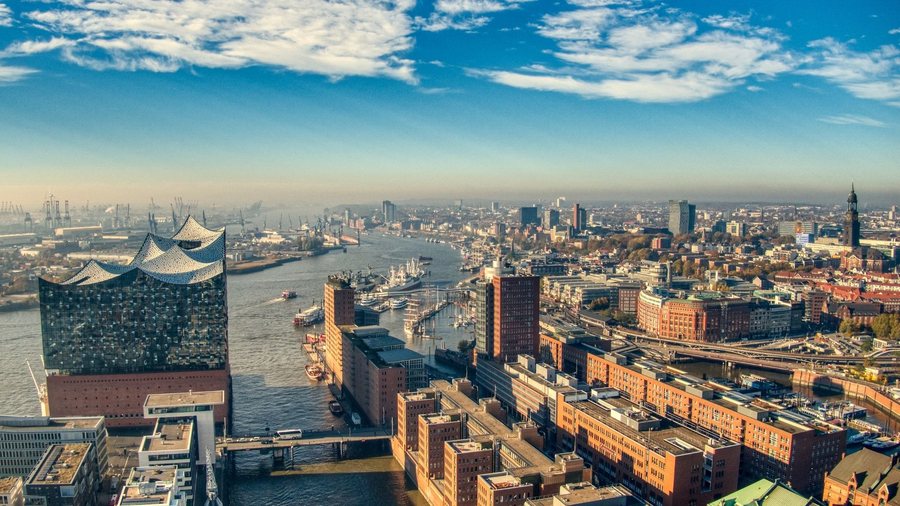
Germany is facing a paradox. While it has warned of a labor shortage for years, unemployment is rising dangerously. Europe's largest economy, for decades an engine of growth, is experiencing a radical transformation of its labor market that threatens to finally end the so-called "golden decade" of employment.
The figure of three million unemployed, which for years was a political and social taboo in Berlin, has returned to official statistics. For the first time in fifteen years, the number of unemployed has consistently exceeded this psychological barrier, reflecting a crisis that affects not only the economic slowdown, but also the country's production model itself.
The current situation reflects the collision of two opposing realities. On the one hand, Germany is facing a structural and demographic shortage of labor. An aging population and mass retirements have left gaps in critical sectors such as engineering, IT, healthcare, and technical specialties.
On the other hand, the traditional pillars of the economy - manufacturing, automotive and chemical production - are losing ground, leading to massive job cuts. Jobs are lost where competitiveness decreases, while new positions are created in sectors that do not have enough skilled workers.
The German economy has been stagnant for five years, with industry in a near-permanent recession. Rising energy costs, Chinese competition, trade tensions with the United States and red tape have hit production hard.
Some 270,000 jobs in the industry have been lost since 2019, with economists warning that the wave of job cuts has yet to peak. The once-mighty industry, a pillar of prosperity through exports, is now struggling to function as an employment booster.
The government is trying to reverse the situation through investment programs in infrastructure and defense, financed largely by borrowing. However, analysts express doubts about the effectiveness of the measures, as a large part of the funds are directed to current spending rather than productive investment.

Wind energy, 70 applications for power plants - AKBN: Interest from investors, areas with high potential
While our country still has no wind farms in operation, data from the National Agency for Natural Resources shows that interest in investments has increased.......
Exchange rate/ What happened in the foreign exchange market today?!
The US dollar has continued its upward trend today, registering a slight increase in value this morning compared to the day before, being bought today at......

Businesses have been forgiven over 462 million euros in liabilities - How is the tax debt stock divided according to age?
Businesses will benefit from over 460 million euros in forgiven tax liabilities through the law on the forgiveness and extinction of tax liabilities, which......

Albania, the new destination for Americans to live/ Country with low cost of living and good investment opportunities
American interest in living and investing in Albania is growing significantly, with Tirana and the Albanian coast becoming the most popular destinations for......

January-April, 81.2% of new vehicles are hybrid electric - DPSHTRR: Growing trend for green vehicles in the country
The General Directorate of Road Transport Services has published vehicle registration figures for the period January-April 2026, which shows an increasing......
Government securities, not profitable for citizens - AFSA: Low interest to invest money in treasury bills and bonds
There are several instruments where Albanians can invest their money, one of them being government securities. Despite the fact that treasury bills and bonds......
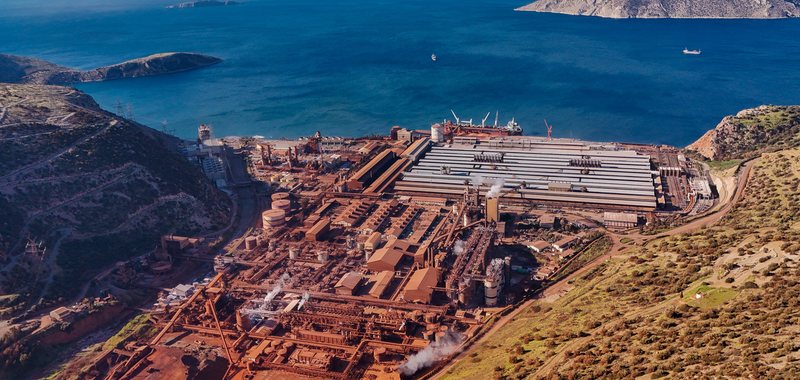
Greece to produce gallium - 340 million euro investment for critical raw material
A €340 million investment, enabling Greece to produce gallium to cover 100% of the EU's needs, was approved by the inter-ministerial committee for strategic......

US extends lifting of sanctions on Russian oil - Aims to help vulnerable countries affected by war in Iran
US Treasury Secretary Scott Bessent announced another 30-day extension of a sanctions waiver that allows purchases of Russian oil transported by sea to help......