France under the 'power' of extreme heat/ Temperatures up to 40°C, schools closed, public health risk

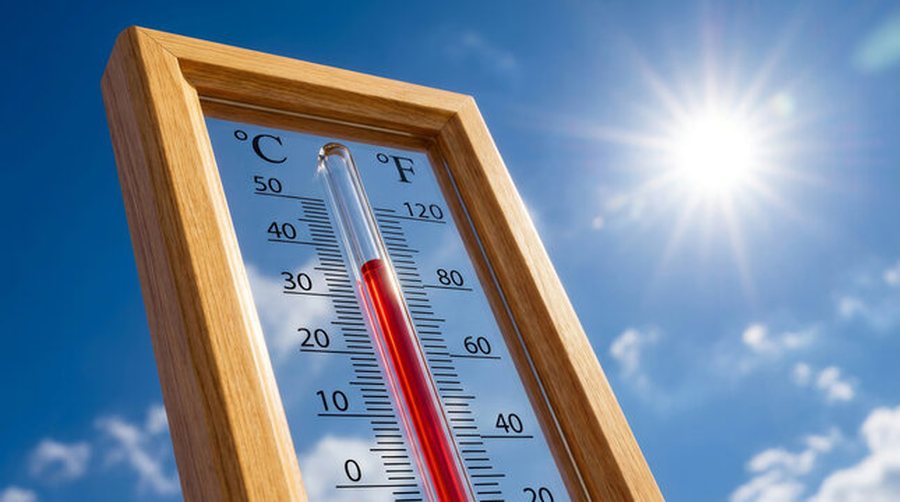
More than 36 million people in France are facing one of the most intense heat waves of the year, with meteorological authorities issuing an orange alert for a large number of regions of the country. The warning represents the second highest level of risk and signals conditions that could have a serious impact on the health of citizens, especially the elderly, children and people with health problems.
Temperatures are forecast to continue rising over the coming days, reaching 40 degrees Celsius in some areas of the country. The French meteorological service has described this episode as a widespread, prolonged and high-intensity heat wave, with a peak expected early next week.
The impact of extreme temperatures has also affected the education system. The French Ministry of Education has announced that hundreds of schools have changed their teaching schedules to avoid exposing students to the extreme heat. In many cases, activities have been moved to the cooler hours of the day, while around 150 educational institutions have been temporarily closed as a safety measure.
Local authorities are closely monitoring the situation, while emergency teams are on standby to respond to possible cases of heatstroke. At the same time, the increased risk of fires remains a concern, especially in areas with higher temperatures and prolonged drought.
This is the second heat wave to hit France in 2026, even though the astronomical summer has just begun. May brought record temperatures in some regions, while this year's spring was recorded as the hottest in the modern history of meteorological measurements in the country.
Climate experts warn that such episodes are becoming increasingly common in Europe. According to them, climate change is increasing the frequency and intensity of heat waves, making the European continent one of the regions most exposed to the consequences of global warming.
How will the tax be paid for unregistered properties? The law determines the cases for surfaces that are in use or units under construction
The taxpayer of the property tax will be the registered owner of the immovable property in the cadastral register or, in the absence of registration, the......
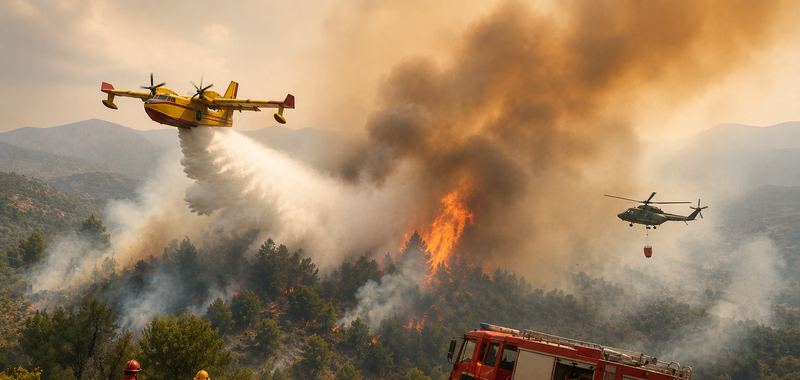
''Natural disasters, risk management priority''/ Çako: Over 2700 fires in 2025, strengthening of the protection system continues
The National Civil Protection Agency continues to strengthen the protection system through the legal framework, capacity building, investments and expansion......
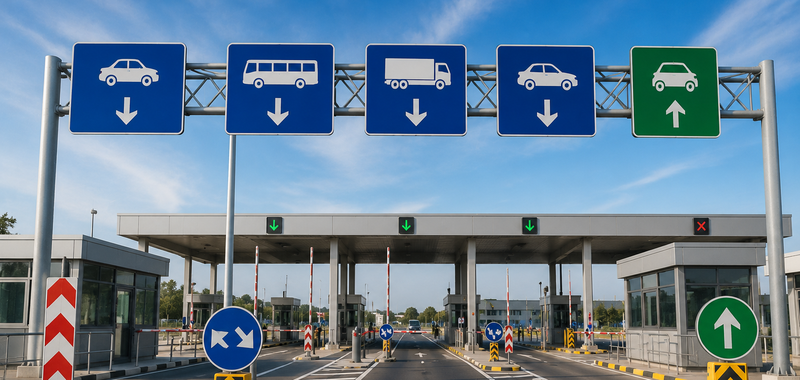
Border rules change, new signage at all points/ New standards for signs, lanes and passenger orientation
Border crossing points in Albania will operate with a new signaling and orientation system for travelers. The Council of Ministers has approved a new......

National register of regulated professions created/Recognition of qualifications, Albania aligns with the EU
Albania is preparing to reform the criteria for exercising regulated professions, as part of the European Union integration process. The Ministry of Economy......
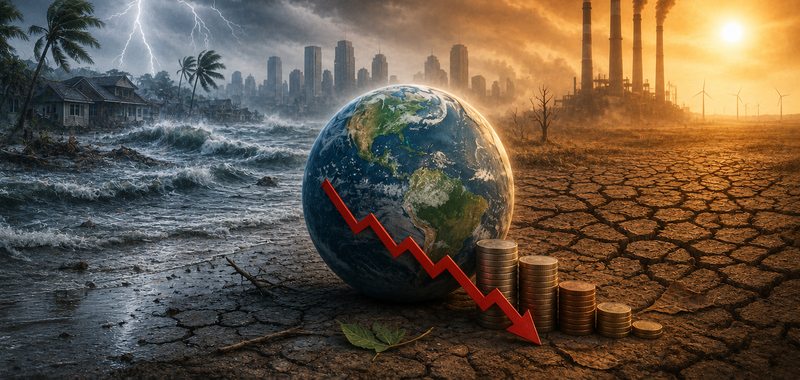
Loan losses could reach 5.4% by 2030/ How is climate threatening financial stability in Albania?
Climate change is no longer just an environmental or economic challenge. A recent study shows that its effects are increasingly extending to the Albanian......
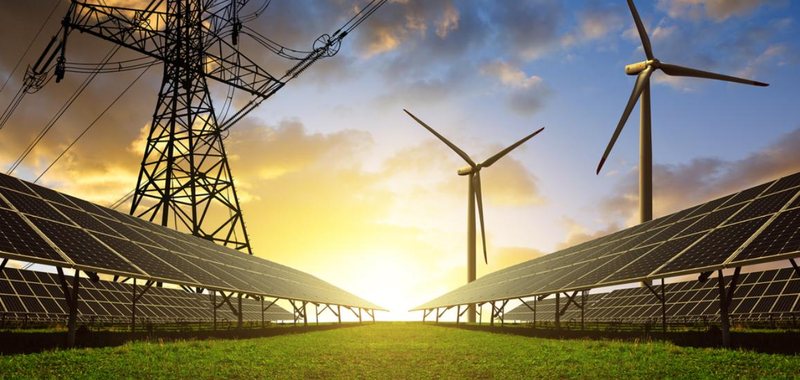
ERE expands compensation for energy suppliers/ Also includes costs from negative imbalances caused by network interruptions
The Energy Regulatory Authority has approved changes to the regulation on service quality standards in the distribution network, expanding the compensation......
Mandatory reporting on cross-border agreements/DAC6, new draft law expands the obligations of tax professionals
Tax advisors, lawyers, accountants and other professionals involved in the drafting or implementation of cross-border agreements will face new reporting......
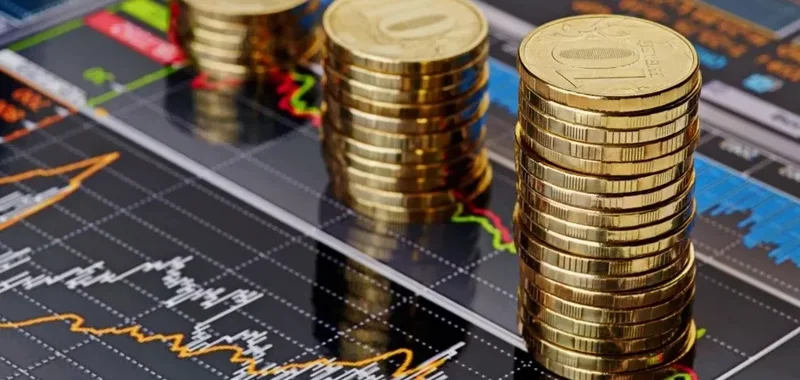
How is Albania's external debt divided? BoA: The government bears the largest weight, while the private sector expands its liabilities
Albania's external debt continues to remain divided between the four main sectors of the economy. The sector that holds the largest share is the 'General......