Military, global spending record in 2024 - European costs register highest increase since the Cold War

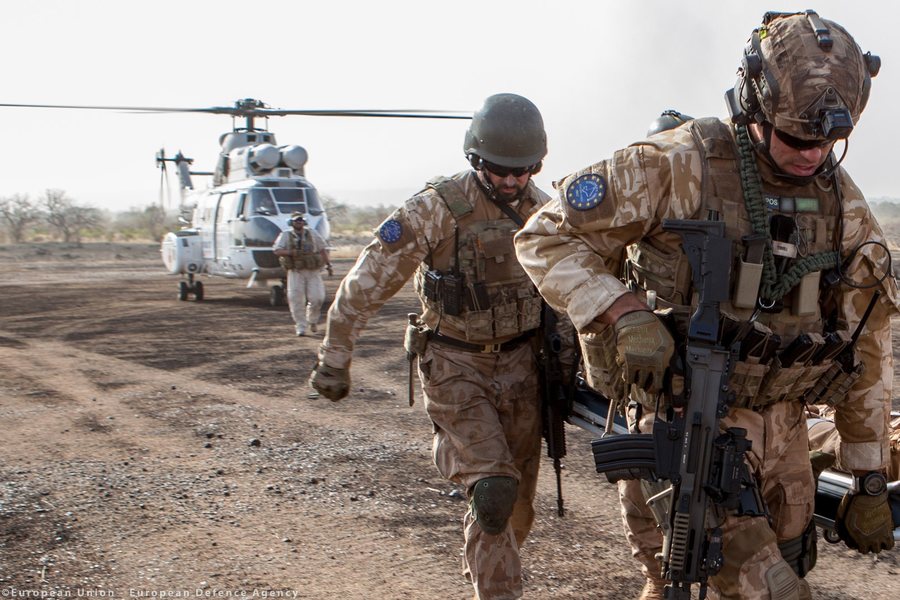
Military spending worldwide saw its biggest increase in 2024 since the end of the Cold War, reaching $2.7 trillion, as wars and tensions fueled the expansion of spending, according to researchers.
Military costs saw particularly large increases in Europe and the Middle East, according to a new report from the Stockholm International Peace Research Institute (SIPRI).
Several European countries had seen "unprecedented" increases in their military spending, the report noted.
In real terms, costs rose by 9.4 percent globally compared to 2023, with 2024 marking the 10th consecutive year of spending increases. More than 100 countries increased their military budgets last year, the report said.
The main contributor to the increase in spending was the European region, including Russia, where spending rose by 17 percent, to $693 billion.
All European states, except Malta, expanded their budgets, "pushing the continent's military spending beyond the level recorded at the end of the Cold War."
Russia’s military spending reached $149 billion in 2024: a 38% increase compared to the previous year and a doubling since 2015. Ukraine’s military costs rose by 2.9% to $64.7 billion. While this amount corresponds to only 43% of Russia’s arms spending, in Ukraine’s case it is equivalent to 34% of its GDP. This means that Kiev bears the highest military burden of any country.
Germany's spending rose by 28% to $88.5 billion, surpassing India as the world's fourth-largest spender.
The world's biggest spender, the US, increased its spending by 5.7%, to $997 billion. This alone accounts for 37% of global spending and 66% of military spending among NATO countries. Total military spending by the 32 members of the alliance rose to $1.5 trillion.
Military budgets also increased drastically in the Middle East, reaching an estimated $243 billion, a 15 percent increase from 2023.
China, the world's second-largest spender, increased its military budget by 7 percent, reaching about $314 billion, "marking three decades of consecutive growth."

CEC tests electronic identification devices - Pelinku: PEI will be used in 5225 voting centers
"The Central Election Commission this Monday began testing electronic identification devices that will be used for the parliamentary elections on May 11.......

Dental tourism, indirect impact on the country's economy - Deputy Prime Minister Belinda Balluku, at a clinic in Lushnje
Deputy Prime Minister and Minister of Infrastructure and Energy, Belinda Balluku, visited a clinic in Lushnja, as the dental tourism industry in Albania is......

Property revaluation, high price "crash" - Pipiria: AirBnbs also affected the rental housing market
The postponement of property revaluation was one of the main reasons for the 44.5% increase in housing prices in the second half of 2024, which has also led......
"The fashion sector will be compensated for any losses" - Berisha: We will promote population growth and reduce energy prices
The Chairman of the Democratic Party, Sali Berisha, in a meeting with tailoring businesses, said that the Alliance for a Greater Albania will undertake a......
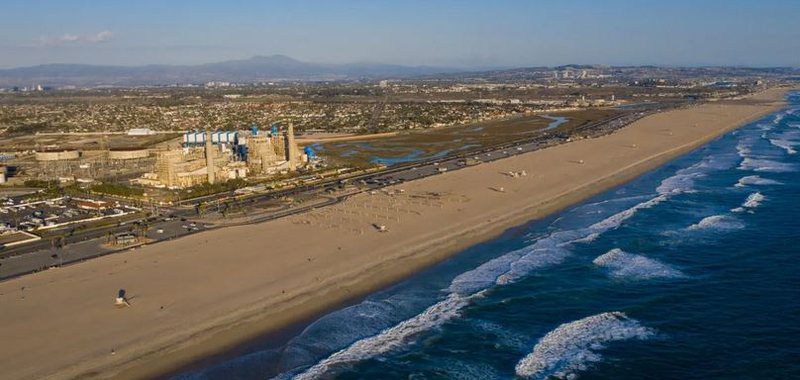
Oceans, the 5th largest economy in the world - The oceanic "superpower" has doubled in value in 25 years
If the oceans were a country, they would be the fifth largest economy in the world. From 1995 to 2020, the oceans accounted for 3% to 4% of the planet's......

Project for the revitalization of the Former Autotractor Plant - Rama: Focus on military production and job creation
Prime Minister Edi Rama presented the project to revitalize the Former Autotractor Factory, which will serve the military industry, for the production of......
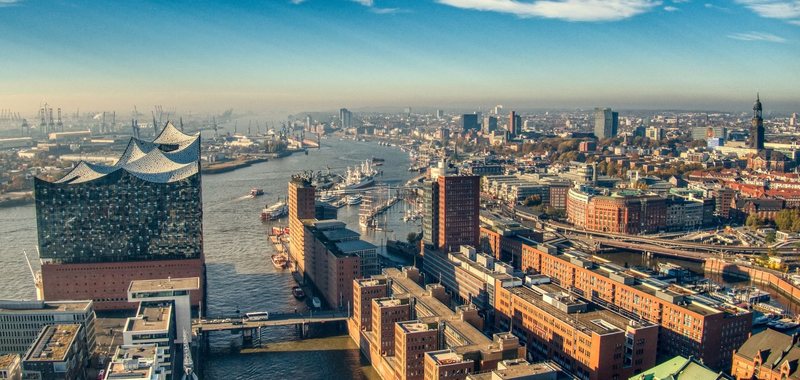
"Tariff impact outweighs German recovery" - IMF lowers eurozone forecasts due to trade uncertainties
Higher German spending on infrastructure will boost Europe's economic growth in the coming years, but not enough to outweigh the expected impact from U.S.......
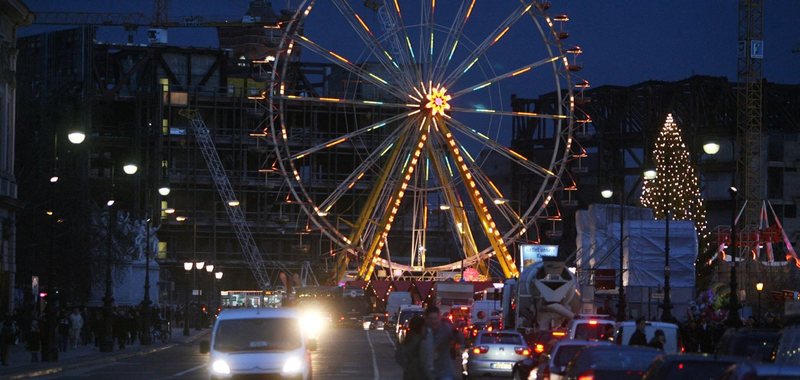
Bureaucracy, the "sore" of the German economy - It costs small and medium-sized businesses over 61 billion euros per year
Small and medium-sized enterprises in Germany spend 61 billion euros a year on bureaucracy alone, according to the German development bank KfW. The......