The war in the Middle East "hits" Dubai - Pessimistic figures from tourism, air transport and trade

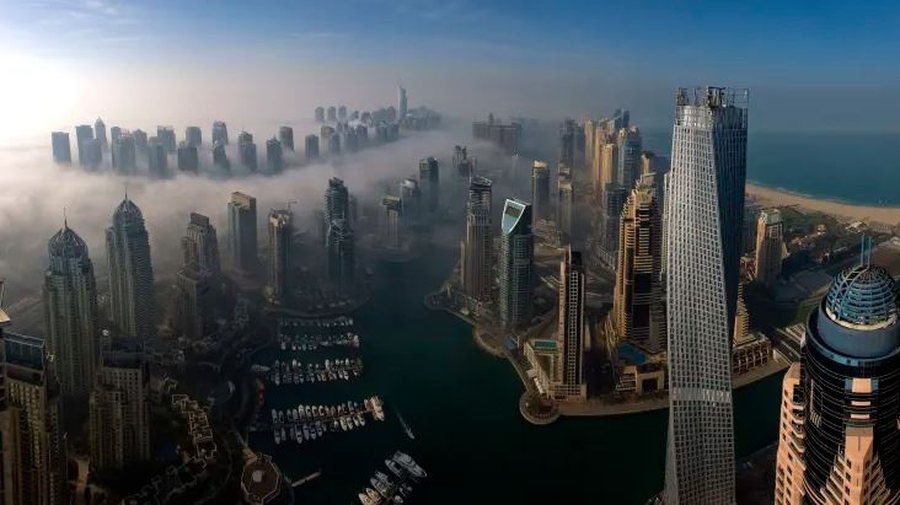
The war in the Middle East has proven to be a major test for the economy of Dubai, which before the conflict began was an important tourist center, as well as an air transport hub.
Data collected by the New York Times sheds light on the challenges. Before the war, Dubai authorities had announced that by 2025, the United Arab Emirates’ trade would exceed $1 trillion for the first time. That made the emirate the only trading hub with such a large value in the Middle East. But now many of the sectors that had fueled that growth are under constant pressure because of the ongoing conflicts.
Last month, Moody's Analytics predicted that occupancy at Dubai's luxury hotels could fall to just 10% in the second quarter, from 80% before the war. Moody's warned that occupancy rates are likely to remain low through the rest of 2026. Popular hotels, including Dubai's iconic sail-shaped building, the Burj Al Arab, have closed for renovations.
Dubai International Airport, the world's busiest international hub last year, reported a two-thirds drop in passenger traffic in March. Although airspace restrictions have been lifted, more than a dozen airlines have canceled all flights to Dubai.
In the trade sector, the situation is even more worrisome. About 1,600 miles southwest of Dubai is Jebel Ali, the largest container port outside East Asia. Jebel Ali was closed in March after attacks on several ships. DP World, the state-owned operator of the port, has since reopened the facility along the route, but traffic remains far below pre-war levels. The problems in transport and trade are directly affecting the economy. The emirate’s economy, which includes oil-rich Abu Dhabi, is expected to shrink by 5.6% this year, according to Goldman Sachs. That’s a sharp reversal from last year, when annual economic growth was 6%.
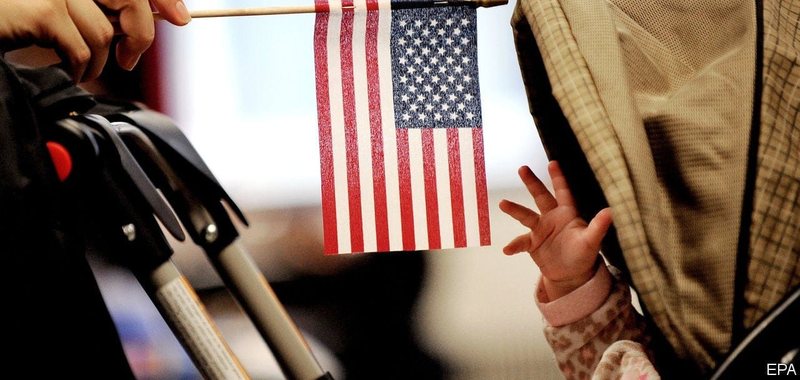
$70 Billion Immigration Package - US House of Representatives Passes Bill
A long political stalemate in the U.S. Congress over funding for immigration enforcement ended Tuesday. The Republican-controlled House of Representatives......

Family policies in focus of European integration - Work-life balance, investment for the Albanian economy and labor market
The balance between professional and family life, as well as increasing women's participation in the labor market, were the focus of a regional conference......

Albanian industry far from European innovation - Little money for scientific research, disconnection from production
Innovation remains one of the main challenges of Albanian industry. The National Industrial Strategy 2026–2030 highlights that research and development......
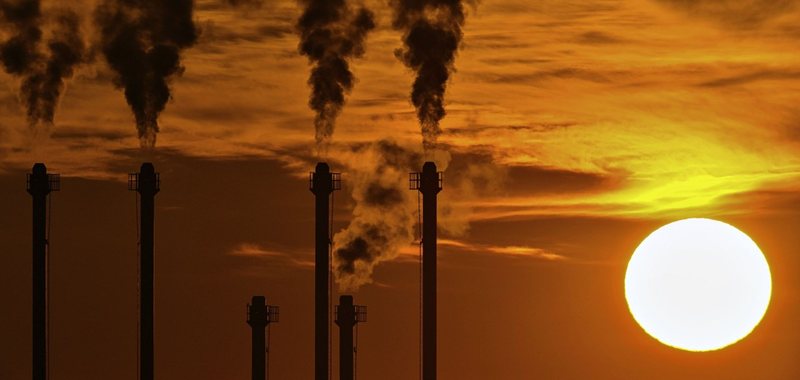
The climate cost of World Cup expansion - Emissions increase significantly, double compared to Qatar 2022
The World Cup begins on Thursday as a celebration of goals, drama and global fanfare, but it is also expected to have a climate cost more than double that of......

Oil rises after US-Iran tensions resurface / Futures contracts immediately rose 66 cents per barrel
Oil prices rose on Wednesday, pulling back from a seven-week low after the U.S. military launched fresh strikes against Iran. Market data showed another big......
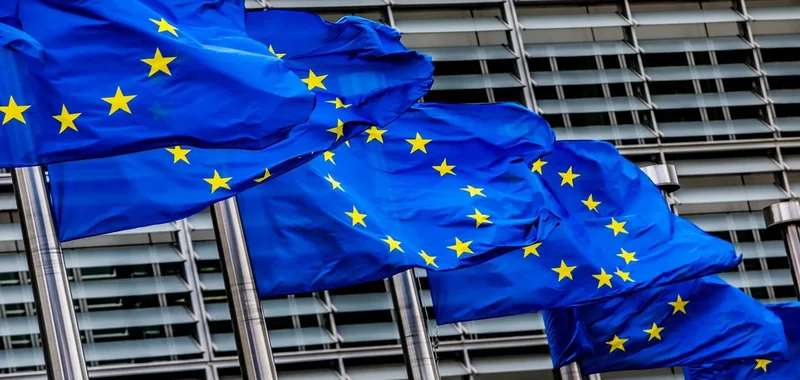
Proposal: Limited vote for new EU members - Germany, France and Benelux states sign non-paper
A group of European Union (EU) member states have proposed that future members of the bloc, during a transitional period after joining the bloc, have limited......

Anti-immigration protests, Belfast in flames - Cars and houses set on fire after a knife attack
Masked men torched houses and cars in Belfast in a wave of anti-immigrant violence on Tuesday evening. The incident followed a knife attack in which a......
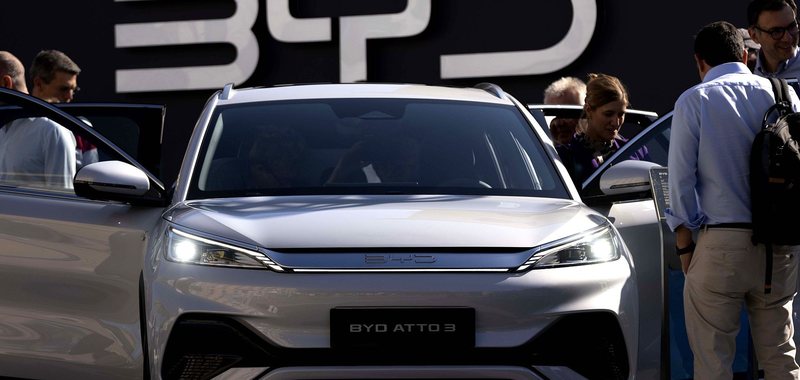
BYD aims to be the world's first - "The world's largest car manufacturer within 5 years"
Senior executives at Chinese automaker BYD on Tuesday announced a goal to become the world's largest automaker within five years, in what could be an attempt......