Tankers are facing the worst-case scenario - Iran intensifies attacks in Hormuz, traffic drops to the lowest level in 3 weeks

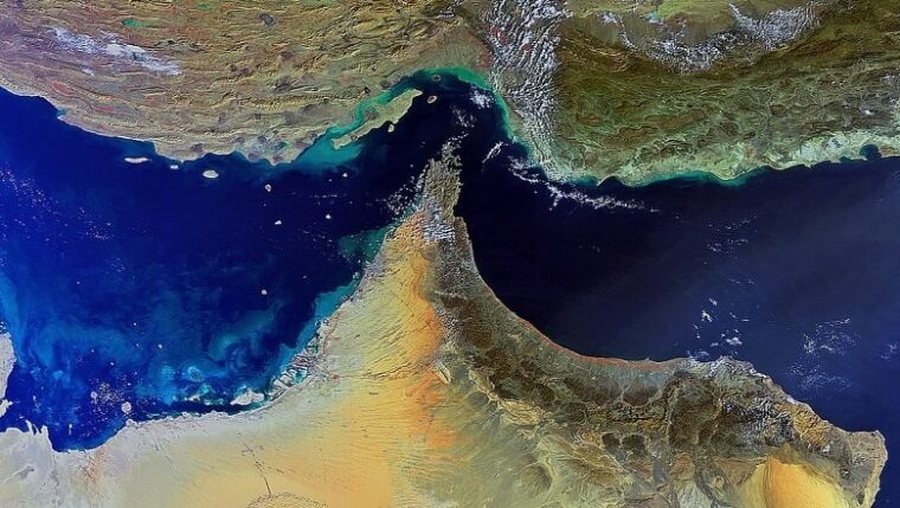
The security situation in the Strait of Hormuz has become a “worst-case scenario” for oil tankers, after Iran repeatedly attacked ships over the past week. “We see a decrease in transit volume through the Strait of Hormuz and now the crews of the ships are even more worried than before,” said Dimitris Maniatis, chief executive of Athens-based Mariskas.
At least nine ships have been attacked since July 6 as Iran tries to force ships to navigate the Strait of Hormuz through its territorial waters rather than an alternative route along the coast of Oman protected by the US military, according to data from the International Maritime Organization, a United Nations agency.
Meanwhile, the US military neutralized an empty tanker after reimposing a naval blockade on Iran, according to the US Central Command. The Curacao-flagged tanker M/T Belma ignored multiple warnings as it sailed through international waters toward Iran's Kharg Island.
The traditional route through Hormuz, known as the traffic separation scheme, remains too dangerous for ships to use because of the threat of mines. However, US President Donald Trump said Hormuz was open to all ships except those from Iran after the US re-imposed a naval blockade. But ship tracking companies have seen a significant drop in traffic. Hormuz is largely closed, with only a small number of ships passing through with their identification systems turned off, according to Lloyd's analysts' team that monitors the strait.
Traffic has fallen to its lowest level in three weeks, according to data from trade intelligence firm Kpler. Ship transits fell to eight on Thursday, down from 15 on Wednesday. More than 100 ships transited the Strait of Hormuz every day before the United States and Israel attacked Iran on Feb. 28.
In recent days, the US has launched six rounds of airstrikes against Iran in retaliation for attacks on oil tankers. Tehran has responded with a barrage of missiles targeting US allies in the Persian Gulf. Iran and its Houthi allies in Yemen are now threatening to close shipping traffic in the Red Sea, which has become a vital alternative route for Saudi oil exports.

Albanian startups, 31% generate revenue - Report, only 14% have ready-made paid products
The startup ecosystem in Albania is showing an increasingly advanced level of development, with the majority of new ventures having moved beyond the initial......

Over 20 thousand workplaces inspected - 415 advisory inspections in businesses
Over 20,000 workplaces were inspected by the State Labor Inspectorate during the month of June, as part of verifications for compliance with labor......

Solar power expands in Germany - Iran war and subsidy cuts boost demand
The expansion of solar power in Germany accelerated in the first half of the year, driven by the war in Iran and government plans to cut subsidies, the......
Crypto-assets under Tax monitoring - Draft law/ Automatic transaction reporting and information exchange with the EU
Crypto-asset transactions will be automatically reported to the tax administration, giving authorities more information about the income generated from this......

Apple surpasses Nvidia as the world's most valuable company - Investors trust the company's Artificial Intelligence strategy
Apple has reclaimed its title as the world's most valuable company, surpassing Nvidia as investors became more confident about its AI strategy. Nvidia shares......

Profits from 12-month bonds, at the highest level of the year - Although the yield increased to 2.67%, investor demand was lower
Profits from investing in 12-month treasury bills have marked a slight increase in the latest auction held by the Ministry of Finance. In the latest auction,......

The World Cup did not boost Mexico's economy - According to analysts, the impact was very localized
The World Cup filled stadiums with fans in Mexico but failed to lift a sluggish economy weighed down by weak investment and uncertainty over the upcoming......

Municipalities invest only 20% of the budget for citizens - 80% of local finances are used for salaries and operating expenses
Although financial resources have increased overall for all municipalities in the country, the structure of expenditures by municipality is problematic.......