A mund të jetë Shqipëria qendra e drithërave në Ballkan? - Rrapaj: Konkurrojmë në BE me avantazhet dhe nëse investojmë në digjitalizim

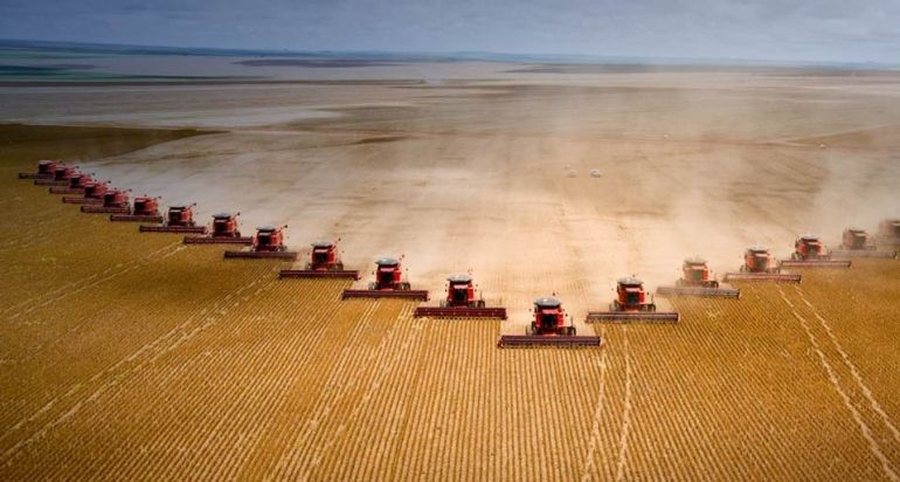
Bujqësia shqiptare mund të jetë konkurruese përballë tregut evropian vetëm nëse zhvillohet në të njëjtën linjë me kërkesat dhe standardet e BE, duke nxitur bashkëpunimin dhe me investimin masiv në digjitalizim.
Në një intervistë për SCAN TV, Kreu i Këshillit të Agrobiznesit Shqiptar, Agim Rrapaj, thekson se sektori mund të bëhet konkurrues duke përfituar nga avantazhet që ka në disa segmente të caktuara, ku merr si shembull industrinë e avancuar të përpunimit të drithërave në vend.
“Nuk është e nevojshme që ne të zgjasim kohën derisa të arrijmë në majat që ka arritur sot teknologjia në fushën e bujqësisë. Po marr për shembull, për ta kuptuar këtë, po marr serat. Ne kemi sera që prodhojnë 800 deri në 1000 kuintal për hektar, por sot ka sera që prodhojnë 3000 kuintal për hektar. Atëherë pse të mos ndërtojmë ne sera 3000 kuintal për hektar, por të vazhdojmë të ndërtojmë sera akoma 800 deri në 1000 kuintal për hektar? Në këtë prizëm, them që ne duhet të investojmë, të punojmë dhe të zhvillojmë ato tregues të cilët janë në përputhje me ato të Bashkimit Europian. Po marr elementin tjetër. Ne kemi sot industrinë e përpunimit të drithërave. Ne kemi industri përpunimi drithërash të teknologjisë së fundit, me kapacitete që mund të eksportojmë edhe në Ballkan. Mund të eksportojmë edhe më gjerë. Pra ne mund të përpunojmë drithëra me teknologjitë që kemi për t'i çuar ato më tej, por ne këto duhet t'i ndihmojmë, t'i konsolidojmë në mënyrë që të vendosim një ekuilibër midis importit dhe eksportit. Pra atje ku kemi mundësi të eksportojmë dhe e kemi teknologjinë ne t'i mbështesim që ato të bëhen konkurruese dhe të luftojnë me tregun në tregun e huaj, atje ku nuk kemi mundësi ne të zbatojmë një parim tjetër.”
Sipas Rrapaj, Shqipëria do të ketë kohë edhe disa vite pas integrimit që të arrijë ato tregues që kërkon Bashkimi Europian, por kryesorja është rritja e produktivitetit dhe dhe aksesi në financim.
“Se ne flasim gjithmonë për vështirësi, por Bashkimi Europian nuk e di kush jemi ne, që do të na fusë dhe do të na pranojë? Natyrisht që e di. Dhe natyrisht ata kanë vënë dhe një parim lidhur me këtë çështje që është parimi i fleksibilitetit. Që do të thotë shumë nga treguesit që ata i kanë arritur me kohë, iu është dashur, iu kanë dashur vite e vite dhe veçanërisht po flas këtu për sigurinë ushqimore dhe për cilësinë e produkteve. Natyrisht ne duhet të arrijmë, që të arrijmë ato tregues që ata kanë arritur prej shumë vitesh, natyrisht ata na lënë dhe një kohë të caktuar, 5 vjet apo 10 vjet pasi ne të hyjmë në Bashkimin Europian. Pra, kur ne të kemi zgjidhur problemin e financimit të produktivitetit të ulët, sepse ky është problemi që ne duam të zgjidhim sot. T'ju themi europianëve, t'ju themi institucioneve financiare, t'i themi buxhetit të shtetit që ne kemi produktivitet të ulët jo për faj vetëm të menaxhimit, jo për faj vetëm të arsyeve subjektive, por edhe të arsyeve objektive të cilat duhen mbështetur me financime, grante në radhë të parë, por edhe me financime të tjera me kushte lehtësuese që duhet të kalojmë nga produktiviteti i ulët në produktivitet të lartë.”
Bujqësia zë afro 20 % të Prodhimit të Brendshëm Bruto në Shqipëri, por emigrimi, fragmentarizmi i tokës dhe mungesa e investimeve, ka bërë që produktiviteti dhe rendimenti i prodhimit të jetë i ulët.

Rritje e përgjithshme në tregun valutor – Forcohen Dollari, Franga, dhe Paundi
Dollari amerikan ka regjistruar edhe këtë të mërkurë rritje të vlerës duke vijuar trendin e tij pozitiv në raport me fillimin e javës teksa është blerë këtë......

Çfarë preferojnë shqiptarët në internet? Të rinjtë, filmat dhe muzikën. Të moshuarit, aplikacionet e shëndetit
Përdorimi i internetit në Shqipëri ndryshon ndjeshëm sipas moshës, duke reflektuar interesa dhe nevoja të ndryshme të përdoruesve. Sipas të dhënave të INSTAT......

Ku i investojnë paratë shqiptarët? - Tafa: ETF-të, fondet e investimit dhe pensionet private mbeten alternativa pak të njohura
Shqiptarët i kanë investuar historikisht paratë e tyre ose në depozita, një investim i sigurt ky, por me kthim tepër të ulët, ose në pasuri të paluajtshme,......
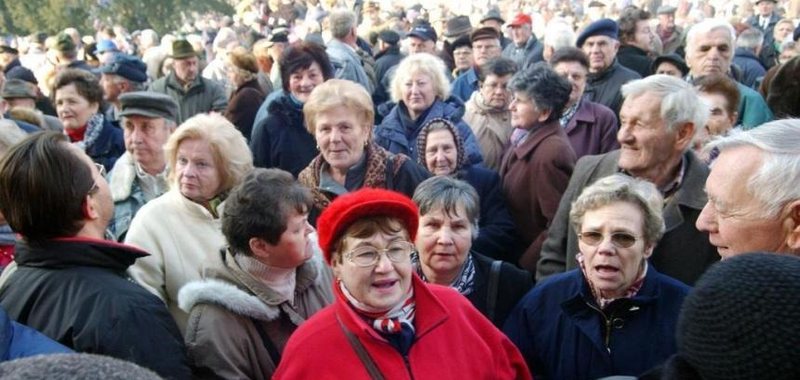
Cili qark mban rekord për numrin e pensionistëve? - Mbi 641 mijë të moshuar, harta e pensioneve urbane dhe rurale në Shqipëri
Skema e pensioneve po përballet me një presion në rritje për shkak se numri i pensionistëve në Shqipëri po shtohet gradualisht dhe kjo për shkak të plakjes......
Stripe dhe Advent, ofertë 53 mld USD për PayPal - Kompania është përballur me konkurrencë të fortë në vitet e fundit
Kompania e pagesave, Stripe dhe shoqëria e investimeve private, Advent International kanë bërë një ofertë të përbashkët për të blerë PayPal për 60.50 dollarë......
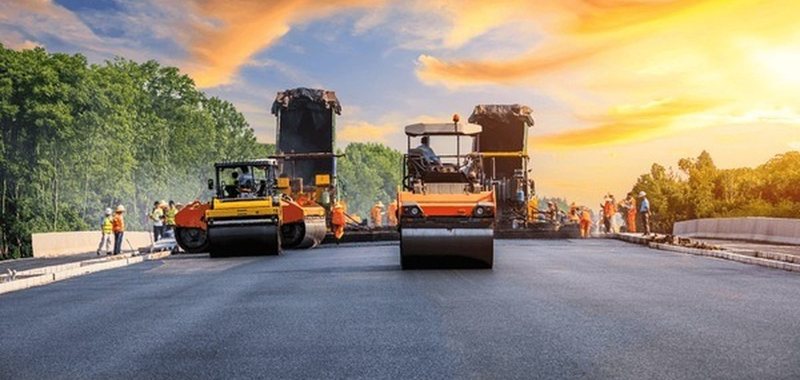
Përfundon rruga Shijan-Delvinë, mbështetje ekonomisë lokale - Përmirësim i lidhjes mes komuniteteve dhe nxitje turizmit
Përfundimi i punimeve në segmentin rrugor Shijan-Delvinë, me gjatësi prej 7 km, pritet të sjellë zhvillim ekonomik të zonës dhe nxitje turizmit. ARRSH ka......

Euro digjitale, çfarë është dhe si do funksionojë - Versioni elektronik i parasë fizike ul varësinë nga firmat amerikane të pagesave
Bisedimet midis Parlamentit Evropian, qeverive dhe Komisionit Evropian mbi rregullat për një euro digjitale fillojnë të hënën, tre vjet pas hartimit të......

Ora verore do të jetë e përhershme në SHBA - Dhoma e Përfaqësuesve e voton me shumicë dërrmuese, projektligji kalon në Senat
Dhoma e Përfaqësuesve në Shtetet e Bashkuara votoi me shumicë dërrmuese, pro një projektligji që e bën të përhershme orën verore dhe i jep fund praktikës së......