Mbështetja për euron në pikën më të lartë - Eurobarometri: Më shumë se gjysma e bullgarëve mbështesin euron

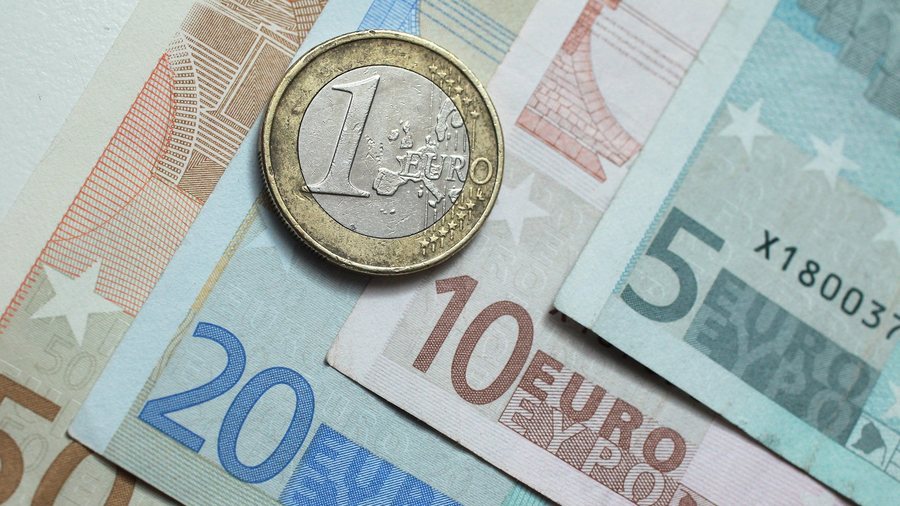
Më shumë se gjysma e bullgarëve tani mbështesin euron, sipas publikimit të fundit të pranverës të anketës së Eurobarometrit mbi qëndrimet publike në të gjithë Bashkimin Evropian.
Në Bullgari, e cila u bë anëtarja më e re e zonës së euros më 1 janar 2026, mbështetja për monedhën e vetme evropiane u rrit me 13 pikë përqindjeje krahasuar me anketën e mëparshme të Eurobarometrit të kryer në vjeshtën e vitit 2025. Shumica e bullgarëve, ose 55%, tani e mbështesin euron, ndërsa 39% e kundërshtojnë atë, tregoi anketa.
Mbështetja e përgjithshme për euron në të gjithë BE-në mbeti në 74%, duke shënuar nivelin e saj më të lartë të mbështetjes që nga futja e monedhës në janar 2002. Mbështetja ishte edhe më e fortë brenda zonës së euros, ku më shumë se tetë në dhjetë të anketuar, ose 82%, mbështetën monedhën e përbashkët. Duke parë përpara drejt 12 muajve të ardhshëm, 42% e bullgarëve thanë se prisnin që situata ekonomike e vendit të përkeqësohej, ndërsa 29% besonin se ajo do të mbetej e pandryshuar nga viti i kaluar. Vetëm 23% e të anketuarve në Bullgari prisnin që ekonomia të përmirësohej.
Në të gjithë BE-në, pritjet ishin po aq pesimiste. Vetëm 16% e të anketuarve thanë se besonin se situata ekonomike në vendin e tyre do të përmirësohej gjatë vitit të ardhshëm, ndërsa 44% prisnin që ajo të përkeqësohej dhe 29% thanë se do të mbetej e pandryshuar.
Në të njëjtën kohë, 56% e familjeve bullgare e përshkruan gjendjen e tyre financiare si "të mirë", ndërsa 41% thanë se ishte "e keqe". Në nivel të BE-së, përqindjet përkatëse ishin 75% dhe 23%.
Anketa u krye midis 12 marsit dhe 5 prillit 2026, në të 27 shtetet anëtare të BE-së dhe përfshiu intervista me 26,415 qytetarë të BE-së. Intervistat u kryen gjithashtu në nëntë vende kandidate dhe kandidate potenciale, duke përjashtuar Ukrainën dhe Mbretërinë e Bashkuar. Në Bullgari, 1,015 persona morën pjesë në anketë.
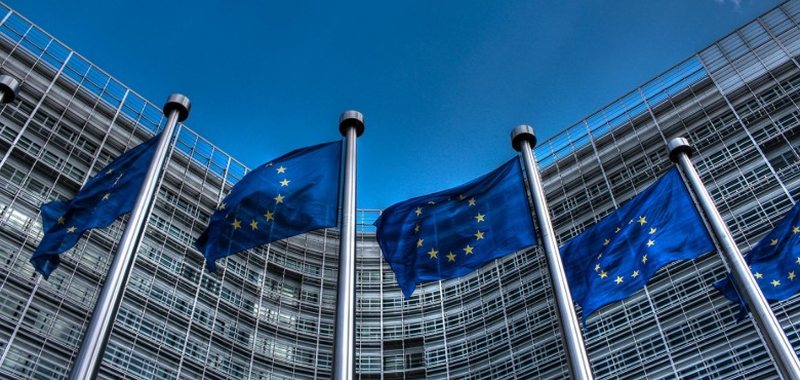
Si lindi ideja për BE? 9 maji dita e Europës - Sot BE përfshin 27 shtete me rreth një miliardë qytetarë
Mё 9 maj BE-ja nderon ish-ministrin e Jashtёm francez Robert Schuman, qё mё 9 maj 1950 formuloi idenё e BE. Qё nga viti 1985 kryetarёt e shteteve dhe tё......

Përfundon programi që ringriti shkollat pas tërmetit - Nga Kavaja në Shijak, 63 objekte arsimore u transformuan me mbështetjen e BE
Ka përfunduar programi më i madh i Bashkimit Evropian për arsimin në Shqipëri, “EU4Schools” (BE për Shkollat) i cili u zbatua për 6 vite me radhë nga UNDP,......
Eksportet e Kinës u rritën fuqishëm në prill - Porositë nga jashtë kapën nivelin e tyre më të lartë në dy vjet
Rritja e eksporteve të Kinës u përshpejtua në prill, ndërsa fabrikat nxituan për të përmbushur valën e porosive të blerësve të huaj që kërkonin të......
Si do ndryshohen kurrikulat në universitete? - Hasalla: Duhet një analizë e saktë e tregut të punës
Plani i ri i veprimit për politikat e arsimit të lartë 2030 përfshin edhe rishikimin e kurrikulave universitare. Parashikohet rishikimi i programeve......
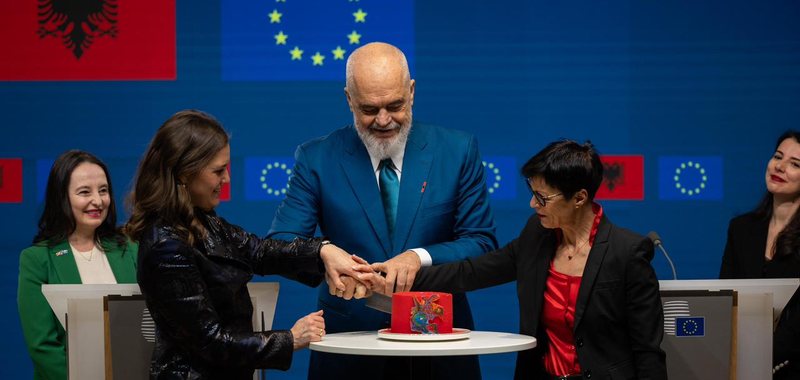
Dita e Europës, kryeministri Edi Rama: Shqipëria është më afër se kurrë familjes europiane
Kryeministri Edi Rama e ka nisur ditën e sotme me një përshëndetje për Ditën e Europës. Në një postim të shpërndarë në rrjetet sociale kreu i qeverisë......
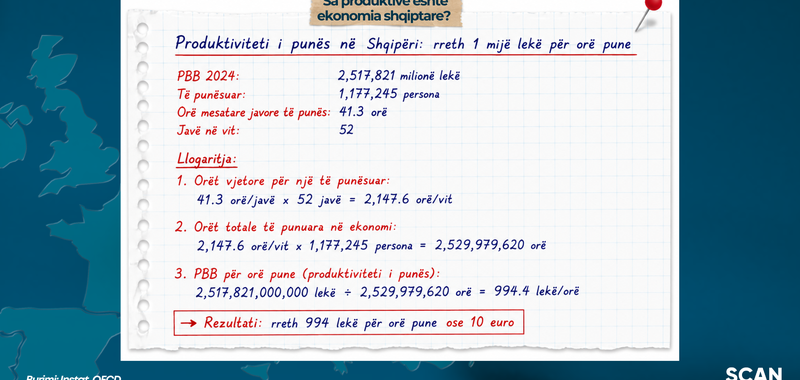
Sa produktive është ekonomia shqiptare? Shqiptarët punojnë gjatë, por prodhojnë vetëm 995 lekë për orë
Ekonomia shqiptare gjeneroi gjatë vitit 2024 mesatarisht rreth 995 lekë për çdo orë pune, sipas një përllogaritjeje të bazuar në të dhënat zyrtare të INSTAT......
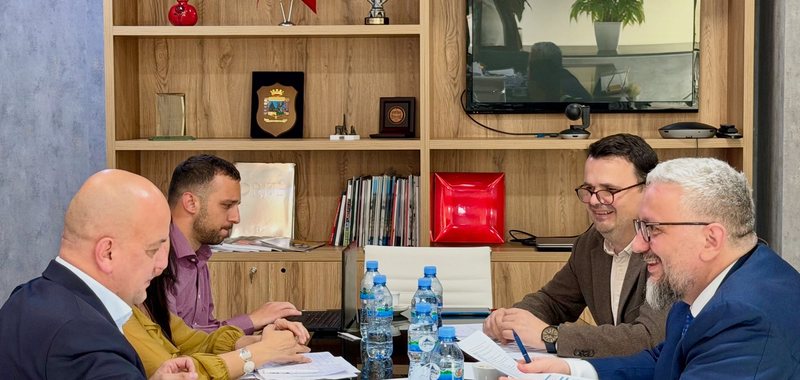
Tatimet dhe BE diskutojnë objektivat e Planit të Rritjes dhe luftën kundër evazionit
Drejtori i Përgjithshëm i Administratës Tatimore, Ilir Binaj, zhvilloi një takim pune me përfaqësues të Delegacionit të Bashkimit Europian në Shqipëri, ku në......
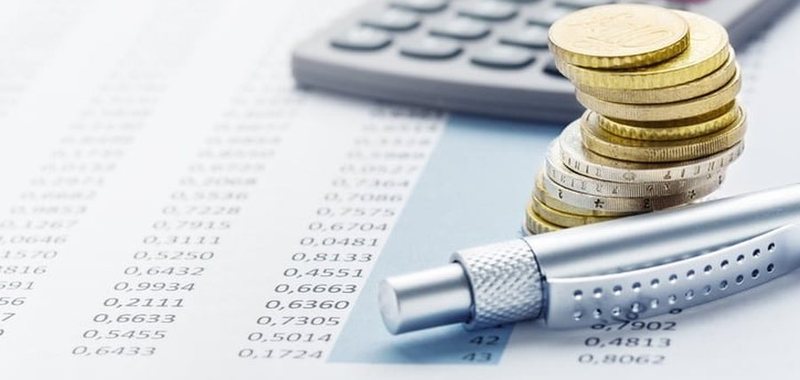
Bizneset morën 253 milionë euro rimbursim TVSH-je/ U miratuan 1649 kërkesa, koha mesatare e procesimit 31 ditë
Bizneset nën regjimin e TVSH-së kanë marrë mbrapsht nga buxheti i shtetit 25,3 miliardë lekë apo afro 253 milionë euro në formën e rimbursimit vitin që lamë......