Lufta i jep goditje më të fortë gazit natyror sesa naftës - Çmimet e LNG në Evropë janë rritur 85%, ndërsa të naftës vetëm 55%

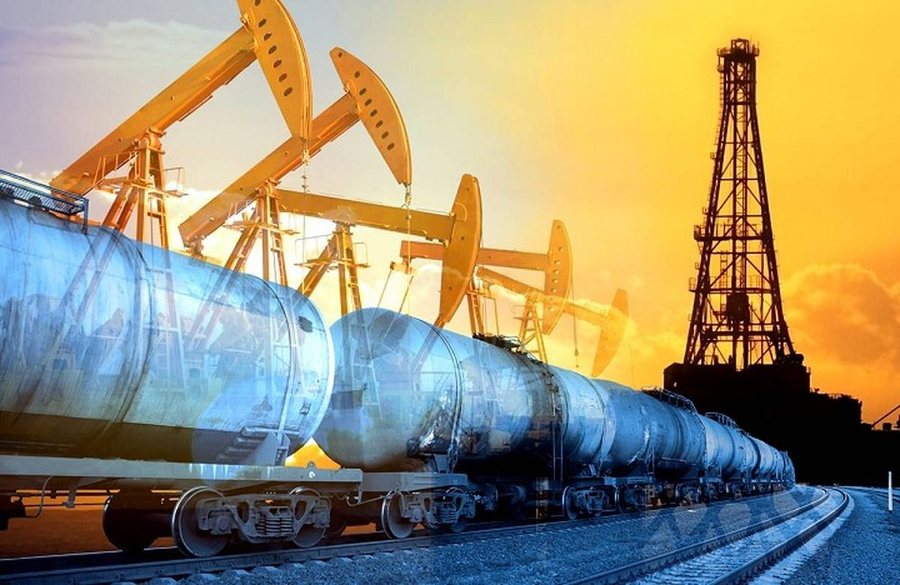
Në shikim të parë, lufta e Iranit duket se po godet naftën dhe gazin me të njëjtën forcë, ndërsa raketat, sulmet me dronë dhe ndërprerjet e transportit detar pengojnë rrjedhat e mallrave përmes Ngushticës së Hormuzit. Por, poshtë kësaj simetrie sipërfaqësore fshihet një çekuilibër kritik. Zinxhiri global i furnizimit me gaz ka më pak mundësi ridrejtimi dhe më pak kapacitet magazinimi sesa tregu i naftës, duke i bërë pasojat për konsumatorët e gazit dukshëm më të mprehta.
Infrastruktura kyçe e gazit - në veçanti impiantet e lëngëzimit - është më komplekse dhe e kushtueshme për t'u ndërtuar dhe riparuar sesa ekuivalentët e naftës. Kjo do të thotë që rafineritë e naftës shpesh mund të rifillojnë operacionet më shpejt sesa qendrat e eksportit të gazit natyror të lëngshëm pas një mbylljeje.
Që nga 28 shkurti, çmimet e LNG-së aziatike janë rritur me 143%, çmimet e gazit referues në Evropë janë rritur me 85%, ndërsa çmimet e naftës së papërpunuar Brent janë rritur me 55%. Çmimet e kanë bërë të qartë çekuilibrin: çmimet e gazit evropian dhe aziatik janë rritur shumë më ndjeshëm se nafta bruto që nga fillimi i konfliktit, një hendek që sinjalizon se gazi përballet me një rimëkëmbje më të gjatë se nafta.
Kërkesa globale për gaz është rritur afërsisht dy herë më shpejt se kërkesa për naftë gjatë dekadës së fundit, sipas Institutit të Energjisë, e nxitur nga ndërtimi i tubacioneve dhe rrjeteve të magazinimit.
Kërkesa totale për naftë është më e lartë se kërkesa totale për gaz, por konsumi i gazit është rritur dy herë më shpejt se konsumi i naftës që nga viti 2015. Dhe kjo trajektore rritjeje pritej gjerësisht të vazhdonte, veçanërisht në ekonomitë në zhvillim që po largohen nga qymyri.
Megjithatë, furnizimet me LNG nga Katari - eksportuesi i dytë më i madh në botë - janë ndërprerë papritur pasi sulmet iraniane shkatërruan 17% të kapacitetit eksportues të vendit për deri në pesë vjet. Rritja që rezultoi në kostot e gazit ka shërbyer si një paralajmërim për konsumatorët për rreziqet e varësisë së madhe nga importi dhe ka të ngjarë të ngadalësojë shtimin e kapacitetit të ri të energjisë me gaz.
Në të njëjtën kohë, shërbimet, shtëpitë dhe bizneset nuk kanë pasur kurrë një gamë të tillë alternativash të përballueshme ndaj gazit për energji elektrike.
Panelet diellore dhe sistemet e baterive në veçanti u ofrojnë furnizuesve të energjisë një mënyrë shumë më të shpejtë dhe më të lirë për të rritur furnizimin me energji elektrike sesa shtimi i kapaciteteve të reja të gazit, zhvillimi i të cilave mund të zgjasë me vite.
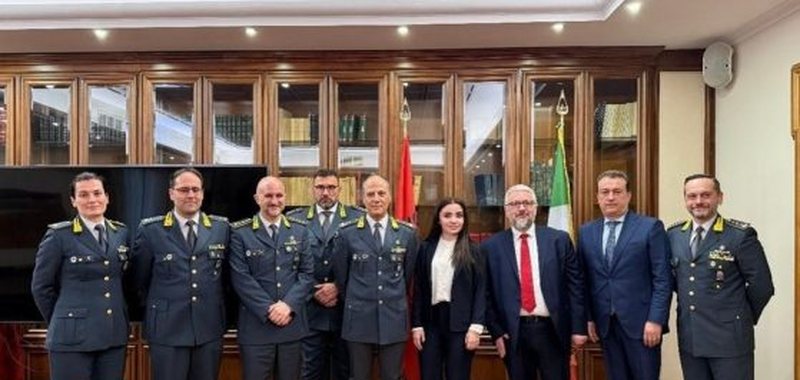
Forcim i bashkëpunimit Shqipëri-Itali për luftën kundër evazionit dhe krimit financiar
Drejtori i përgjithshëm i Tatimeve, Ilir Binaj zhvilloi një takim në Romë, me Gjeneralin e Trupës, Bruno Buratti, Gjeneral Brigade, Vito Giordano, dhe......

Malaj në takimin e iniciativës FUTURE500 për zhvillimin ekonomik të Europës!
Ministri i Financave, Petrit Malaj, mori pjesë në një darkë të organizuar në Bruksel, në kuadër të iniciativës FUTURE500. Aktiviteti u zhvillua me ftesë të......

Luhatje të ndjeshme në tregun valutor – Dobësohet Dollari amerikan. Paundi fiton pikë!
Dollari amerikan është dobësuar duke regjistruar rënie të ndjeshme këtë mëngjes në raport me një ditë më parë duke u blerë sot me 82.2 lekë dhe duke u shitur......
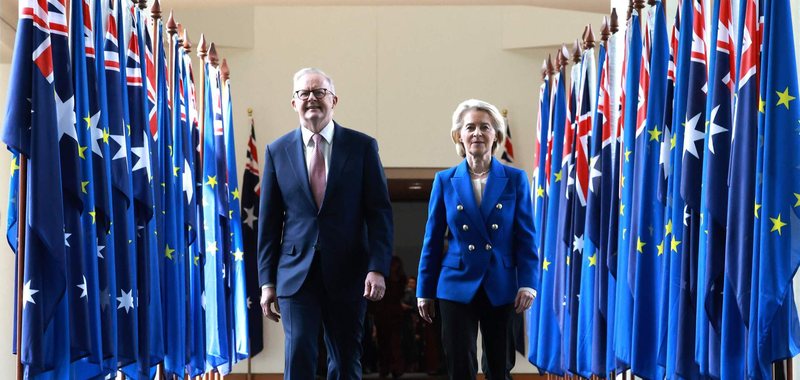
Nënshkruhet marrëveshja tregtare BE-Australi/ Unioni do të kursejë 1 miliard euro në vit në detyrime
Presidentja e Komisionit Evropian, Ursula von der Leyen, nënshkroi të martën një marrëveshje të tregtisë së lirë me kryeministrin australian Anthony......
Plan për të zgjidhur krizën e strehimit në BE - Parlamenti Evropian miraton raportin me rekomandime
Parlamenti Evropian miratoi raportin e parë mbi Krizën e Strehimit në Bashkimin Evropian. Me 367 vota pro dhe 166 kundër, raporti bën thirrje për një veprim......
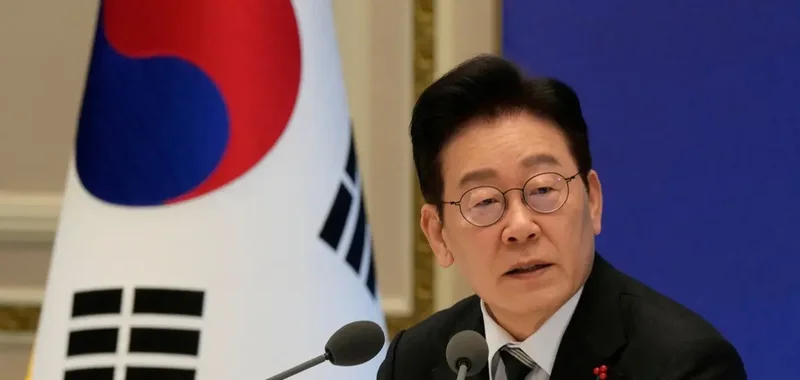
Korea e Jugut nis kursimin e energjisë - Nga karikimi i telefonave dhe automjeteve, deri tek pajisjet elektro-shtëpiake
Koreano-Jugori Lee bën thirrje për fushatë për kursimin e energjisë, duke përfshirë dushe më të shkurtra dhe bordura për makinat. Presidenti i Koresë së......
Pensionet shtetërore në Evropë - Ku e mbulojnë më mirë koston e jetesës?
Pensionet shtetërore si pjesë e kostove të jetesës ndryshojnë shumë në të gjithë Evropën. Në Evropën Veriore dhe Perëndimore, pensionet shpesh i plotësojnë......

“Së bashku kundër vetmisë”/ QTU shënon Ditën Botërore të Sindromës Down
Me rastin e Ditës Botërore të Sindromës Down, QTU riafirmon me krenari mbështetjen e saj të gjatë për individët me sindromën Down dhe organizatat që mbrojnë......