How many days a year do Albanians take off? Country above the world average for paid vacations


Albania ranks among the countries where employees have a relatively high number of paid vacation days. According to an analysis published by Visual Capitalist, which includes about 185 countries, the calculation takes into account both legally established annual leave days and paid official holidays.
Globally, employees have an average of 30 days of paid vacation per year. Albania stands above this level, with 34 days, ranking among the countries with the most vacation days in the region.
In the Balkans, Albania is followed by North Macedonia with 32 days, while Serbia has 31 days. Bosnia and Herzegovina is at the global average, with 30 days, while Montenegro has a lower total, with 28 days of paid leave.
At the top of the global ranking is Iran with 53 days, where the high number of official holidays partially compensates for the more limited number of annual leave days and the traditional six-day work week.
Middle Eastern countries also rank high. Yemen has 45 days, Bahrain 44, Kuwait 42 and Oman 39. The totals vary from country to country, as some offer more annual leave days, while others have a greater number of public holidays.
In Europe, most countries stay around or above the global average. Iceland has 40 days, while Sweden, Portugal and Slovakia each have 35 days.
At the other end of the ranking is Micronesia with just 9 days, while the US has 10 days, a total of about a third of the global average for this data set.
However, the analysis only measures legally guaranteed vacations, not the actual number of days off employees take. In the US, for example, federal law does not require private employers to provide paid vacations. Despite this, in 2025, about 80% of private sector workers had access to paid vacations, while 31% of those with at least a year in the same job took 10 to 14 days off.

Who is Albania trading with the most? The US, Kosovo and Greece gain ground on the export map
Albanian exports are increasingly finding space outside traditional European markets, foreign trade data from INSTAT show. In the first seven months of the......
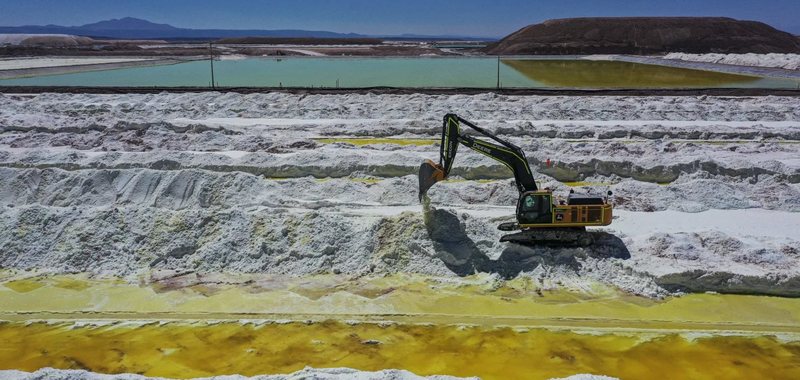
Lithium mining in Gjirokastër - Critical minerals/ Permit in Zhulat-Picar moves from exploration to exploitation
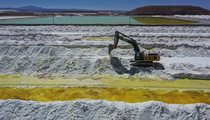
Lithium, one of the minerals of increasing importance for the battery industry and the energy transition, seems to be entering a new phase of mining......
Fewer euros in banks, lek gains ground - BoA: De-euroization is progressing. Exchange rate encouraged the use of the local currency
The use of the euro in the Albanian financial system has declined during the first half of this year. The latest report of the Bank of Albania on the results......

The new school year 2026-2027 starts on September 14 - Ends on June 18, for high school graduates on June 4
The new school year 2026-2027 for pre-university education students will begin on September 14. The Ministry of Education has published the calendar with the......

Fires in the country/ Dajti, Gurë-Lura, Puka and Mati in focus of operations, over 470 forces on the ground
During the last 24 hours, 24 fires have been reported in the territory of Albania, of which 7 remain active and 2 others are under monitoring, the Ministry......
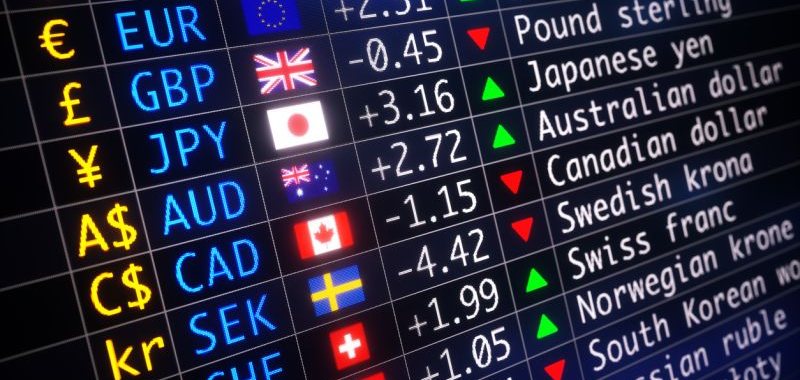
What happened in the foreign exchange market today?
The US dollar, although it registered a slight increase in value this Tuesday morning, continues to remain weak against the local currency, being bought......

Gas reserves fall to low levels - Europe cautious as winter approaches
Four years after Russia’s invasion of Ukraine triggered an energy crisis, European countries are facing new questions about the security of natural gas as......
"Energy tax threatens national sovereignty" - Germany opposes European Commission plan
Germany is opposing a European Commission plan to tax electricity at a lower rate than natural gas, arguing that Brussels is seeking to use electricity......