Safer grids, higher bills? - China's ban on EU solar inverters reshapes renewable energy

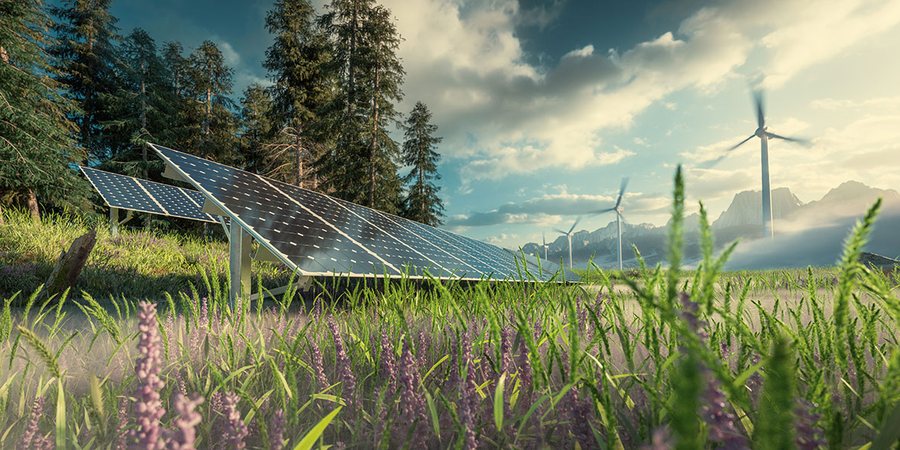
Solar systems generate 13.4 percent of the EU's electricity and are a cornerstone of the European energy grid. Solar inverters are the brains behind these systems, converting the direct current generated by the panels into alternating current used by homes and businesses.
Even though 61% of solar inverters imported into the EU come directly from China, the European Commission is now banning financial institutions such as the European Investment Bank (EIB) and the European Bank for Reconstruction and Development from financing projects that use Chinese components. The measure applies only to projects under development and future installations, and stems from concerns about national security and cybersecurity.
According to analysts, today’s inverters are connected to the internet so that the manufacturer can perform software updates and perform maintenance. This means you have to trust that the inverter manufacturer won’t make malicious software updates that cause the inverter to crash the power grid. With Chinese inverters, you also have to trust the Chinese government, which can instruct any Chinese company to follow its orders. In this way, China can indirectly control hundreds of gigawatts of inverter capacity, which essentially means it can control the European power grid.
Clean energy developers are scrambling to rewrite procurement contracts. The funding freeze takes effect immediately, so projects using EU funding must stop procurement and replace Chinese equipment.
Deadlines are being pushed back by six to twelve months as developers wait for European-made inverters. With around 20 percent of EU solar installations receiving EIB support, hundreds of projects are affected. Among them is Spain’s Solaria Services Portfolio, a €1.7 billion program to build 100 solar power plants across Spain, Italy and Portugal.
The ban is expected to increase procurement costs by about 2 percent, as European and allied alternatives are more expensive and production capacity cannot be expanded overnight. Developers must now source equipment from European manufacturers or trusted partners such as Japan and the United States.
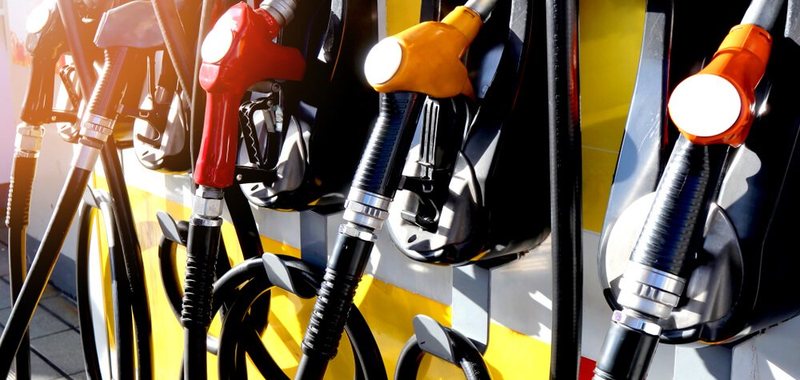
Oil prices drop - Affected by the ceasefire agreement between Lebanon and Israel
Oil prices fell on Thursday as a ceasefire agreement between Israel and Lebanon raised hopes for a broader deal to end the US-Israeli war with Iran, which......
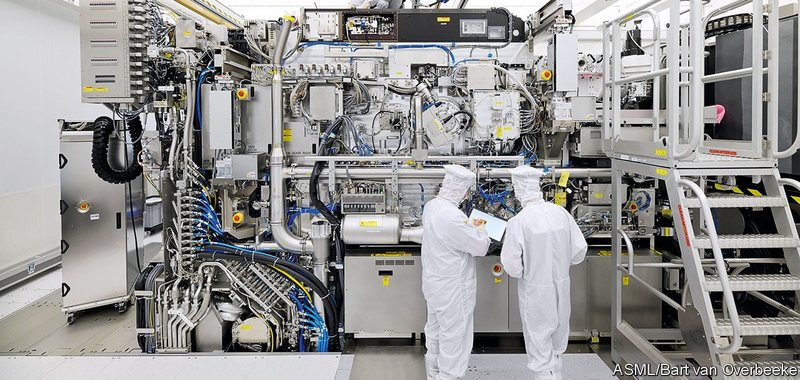
Europe's plan against digital addiction - On artificial intelligence, chips, or cloud services
The Commission has presented a legal package for digital sovereignty. Europe aims to be less dependent on chip production outside the continent and to......
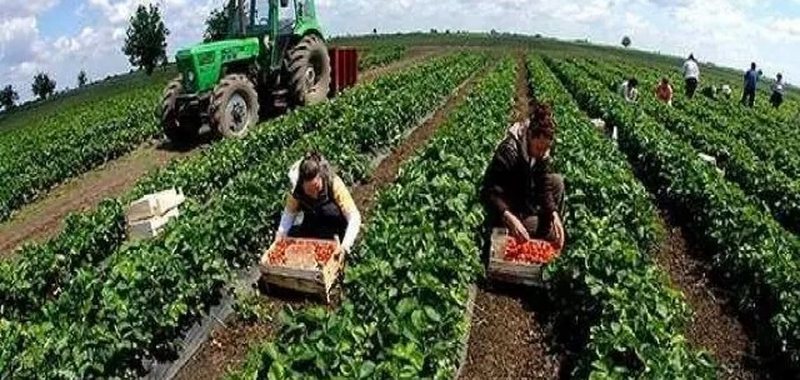
Projektligji, miratohen termat për censin e bujqësisë, komision qendror me 8 ministra
Qeveria ka dhënë votë pro dhe i ka hapur rrugën për miratim në Kuvend projektligjit për censin e bujqësisë. Drafti me 33 nene parashikon mes të tjerash (Neni......
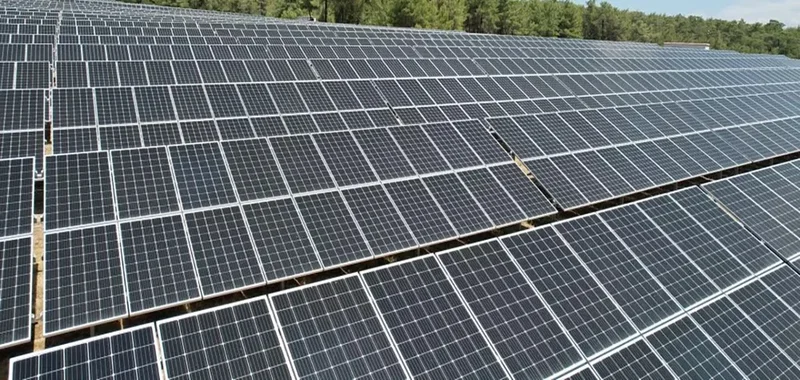
Photovoltaic power plant in Fushe Chidhna, Government approves 96 megawatt plants in Dibër
At today's meeting, the government approved the construction of a photovoltaic power plant for the production of electricity in Fushe Chidhen, Dibra......
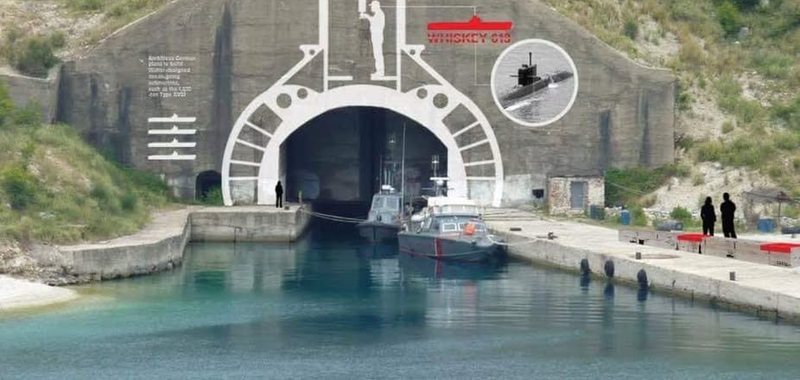
The Porto Palermo Tunnel will be turned into a museum, a project also for "Hospitality Albania, Vlorë"
The government, with a special decision, has tasked the National Territorial Planning Agency with carrying out the competition for the museumization of the......

Bashkëpunimi më Italinë, Nufi: Kayo e Fincantieri ndikim të drejtpërdrejtë në modernizimin e mbrojtjes
Ministri i Mbrojtjes i Shqipërisë Ermal Nufi zhvilloi një vizitë në Itali, ku u mikprit nga, Ministri i Mbrojtjes të Italisë, Guido Crosetto. Lajmin e ka......
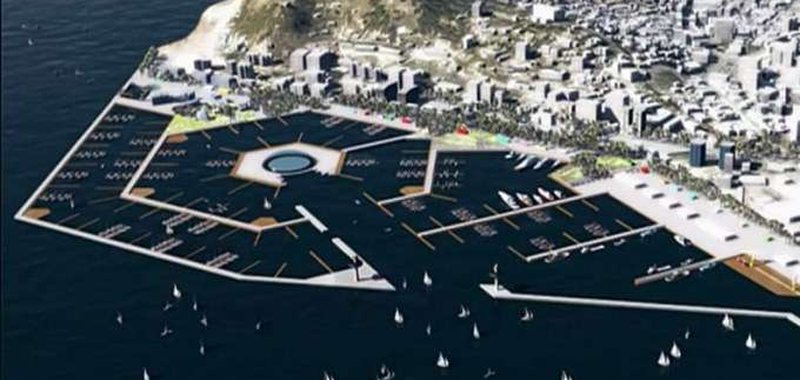
Dhoma e Tregtisë Tiranë: Investimet e huaja të rëndësishme për rritjen e vlerës së turizmit shqiptar
Dhoma e Tregtisë dhe Industrisë Tiranë vlerëson se investimet e mëdha të huaja në turizmin cilësor përbëjnë instrumentin vendimtar për ta kthyer rritjen e......

AKU: Urea fertilizer on the market complies with standards, analyses refute claims of low quality
The National Food Authority (AKU) has announced that the inorganic fertilizer product Urea marketed in Albania is registered and in compliance with legal......