Transporti, sipas standardeve të BE-së/ Miratohen rregullat e reja për rrjetin TEN-T, afate për modernizimin e infrastrukturës


Shqipëria do të zbatojë standardet e reja evropiane për zhvillimin e rrjetit rrugor, hekurudhor, detar dhe ajror që është pjesë e rrjetit trans-evropian të transportit. Ministria e Infrastrukturës dhe Energjisë ka miratuar zbatimin e rregullores së Bashkimit Evropian për TEN-T, që përcakton kërkesat që duhet të përmbushë infrastruktura, si dhe afatet për realizimin e tyre.
Urdhri, i botuar në Fletoren Zyrtare, përafron plotësisht rregulloren e Bashkimit Evropian të vitit 2024 dhe zëvendëson rregullat e miratuara në Shqipëri në vitin 2020. Dokumenti përfshin transportin hekurudhor, detar, rrugor dhe ajror, transportin multimodal, infrastrukturën për karburantet alternative dhe sistemet digjitale të transportit.
Sipas rregullores, zhvillimi i rrjetit ndahet në tre faza. Rrjeti kryesor synohet të përfundojë deri në fund të vitit 2030, rrjeti kryesor i zgjeruar deri në fund të vitit 2040, ndërsa për rrjetin gjithëpërfshirës afati shkon deri më 31 dhjetor 2050. Dokumenti sqaron se afati i vitit 2030 është objektiv strategjik planifikimi dhe nuk paragjykon afatin e anëtarësimit të Shqipërisë në Bashkimin Evropian.
Standardet që duhet të arrihen ndryshojnë sipas llojit të transportit. Për rrugët e rrjetit kryesor dhe atij të zgjeruar përcaktohen kërkesa që lidhen me mënyrën e ndërtimit, ndarjen e drejtimeve të lëvizjes dhe eliminimin e kryqëzimeve në nivel, ndërsa për hekurudhat vendosen kërkesa për kapacitetin dhe funksionimin e linjave. Rregullat e reja shtrihen edhe në qytetet.
Për nyjet urbane të rrjetit trans-evropian parashikohet miratimi dhe monitorimi, deri në fund të vitit 2027, i planeve të qëndrueshme të lëvizshmërisë urbane. Ato duhet të përfshijnë masa për integrimin e formave të ndryshme të transportit, nxitjen e lëvizshmërisë me emetime zero dhe të ulëta, si dhe reduktimin e ndotjes së ajrit dhe zhurmës. Deri në vitin 2030 parashikohet gjithashtu zhvillimi i qendrave multimodale për udhëtarët.
Një pjesë e rëndësishme e rregullores lidhet me qëndrueshmërinë mjedisore dhe klimatike të investimeve. Rrjeti duhet të zhvillohet duke nxitur transportin me emetime të ulëta dhe zero, përdorimin e karburanteve alternative dhe infrastrukturën rezistente ndaj ndryshimeve klimatike, ndërsa projektet duhet të marrin në konsideratë ndikimet në ndotjen e ajrit, zhurmën dhe ekosistemet.

Leku shton peshën në banka/ Kursimet në monedhën vendase u rriten më shpejt. Depozitat prekin 1.56 trilion lekë
Depozitat vijuan të rriten edhe gjatë muajit korrik, duke arritur në 1.563 trilion lekë. Sipas të dhënave të Bankës së Shqipërisë, stoku i depozitave u shtua......

“TARSIM”, çfarë parashikon skema turke e sigurimeve? - Shteti subvencionon deri në 67% të primit të sigurimit
Fermerët shqiptarë janë tërësisht të pambrojtur ndaj fenomeneve me rrezikshmëri natyrore, siç janë përmbytjet, breshëri, ngricat apo stuhitë, për shkak se......

Kërcënimet ndaj sigurisë kibernetike të IA - Gjigantët e teknologjisë kërkojnë reagim global
Më shumë se 100 kompani, përfshirë gjigantët e inteligjencës artificiale OpenAI , Anthropic, Google dhe Perplexity, kanë nënshkruar një letër të hapur duke......

Model turk për sigurimin e buqjqësisë shqiptare? - Zv.Ministri, Guri: Po analizojmë opsionet. “TARSIM” ka rezultuar i suksesshëm
Së shpejti, Ministria e Bujqësisë pritet të ketë gati skemën e sigurimit në bujqësi, e cila do të ofrojnë më shumë mbrojtje për fermerët dhe agrobizneset. Në......

Shtrëngohen kontrollet për shkollat private - Verifikim për licencat, dokumentacionin dhe diplomat e huaja
Shkollat private do të jenë nën një kontroll më të fortë gjatë vitit të ri shkollor 2026-2027. Udhëzimi i përbashkët i Ministrisë së Arsimit dhe Ministrisë së......
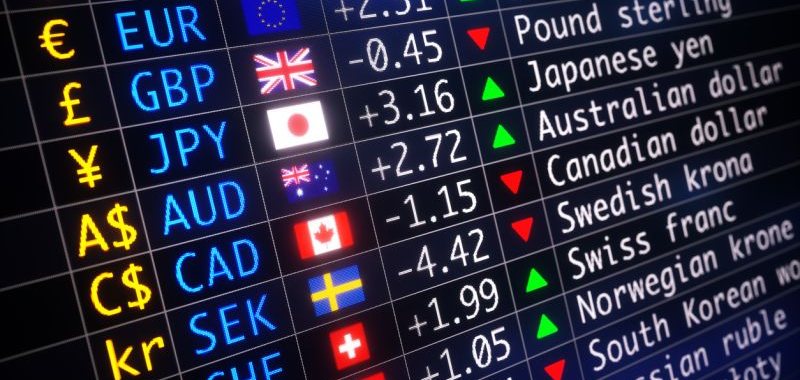
Java mbyllet pozitivisht për Dollarin dhe Euron – Sa këmbehen sot valutat kryesore?
Dollari amerikan edhe pse vijon të qëndrojë nën kuotën e 80 lekë ka regjistruar një rritje të lehtë të vlerës nga dita e djeshme duke mbyllur këtë javë......
OPEC+ humbet ndikimin në tregun e naftës - Rritet paaftësia për të qenë mbizotëruese
Gjashtë muaj pas fillimit të luftës në Iran, aleanca më e fuqishme e naftës në botë, OPEC+, e gjen veten në një pozicion të panjohur: është e paaftë për të......
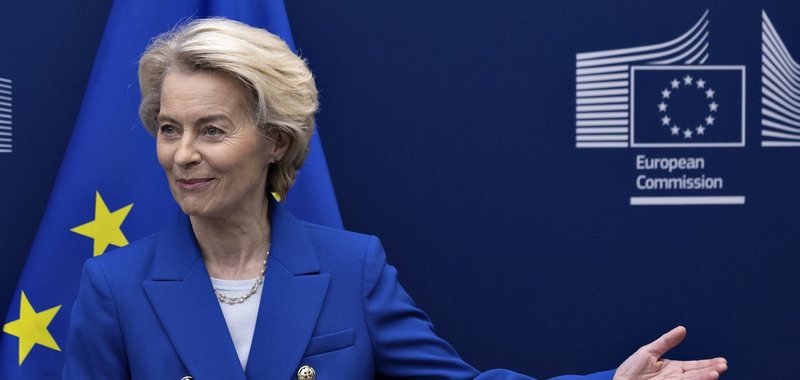
Von der Leyen rrit presionin ndaj Kinës: “Bisedimet për të ulur deficitin tregtar rekord nuk po sjellin përparim”
Presidentja e Komisionit Evropian, Ursula von der Leyen, tha se nëse bisedimet për të ulur deficitin tregtar rekord me Kinën nuk sjellin ndonjë përparim,......