Si i ndryshoi reforma kapacitetet financiare të bashkive? - Raporti/ U thellua diferenca midis njësive. Burimet njerëzore, “sfidë” për shërbimet


Reforma administrativo-territoriale e vitit 2014 vlerësohet të ketë pasur një ndikim të fortë pozitiv në rritjen e kapaciteteve financiare të bashkive.
Referuar raportit të financave vendore, buxheti vendor u trefishua, nga 34 miliard lekë në 92.4 miliard lekë gjatë 2015–2025.
Pesha e buxhetit vendor ndaj PBB-së u rrit nga 2.4% në vitin 2015 në 3.5% në vitin 2025.
Ndërsa të ardhurat e veta nga taksat dhe tarifat u rritën me 248%, duke kaluar nga 11.7 miliard në rreth 40.9 miliard lekë. Nga ana tjetër transferta e pakushtëzuar u dyfishua, duke u rritur me 13.9 miliard lekë (2025 ndaj 2015).
Raporti evidenton se reforma krijoi një bazë fiskale shumë më të qëndrueshme dhe rriti autonominë financiare të pushtetit vendor, edhe pse jo në mënyrë të barabartë midis bashkive.
Kështu, referuar dokumentit, investimet u rritën, por shpërndarja territoriale mbetet e pabarabartë. Shpenzimet për investime nga burimet e veta u rritën nga 12 miliard lekë në 23.2 miliard lekë, por vetëm 18–20% e buxhetit total përdoret për investime në shumicën e bashkive.
Vetëm bashkia Tiranë arrin rreth 40% të buxhetit për investime, ndërsa shumë bashki të vogla mbeten nën 10%.
Po ashtu, të ardhurat nga taksat dhe tarifat vendore janë më të larta kryesisht në bashkitë e mëdha. Konkretisht Bashkia Tiranë mbledh 40% të të ardhurave të veta të vendit (17.6 miliard lekë); 47 bashki sigurojnë vetëm 0–1% të totalit të të ardhurave vendore, ndërsa Bashkitë nën 50,000 banorë kanë kapacitet fiskal shumë të ulët (shumica nën 1%).
Përsa kohë kapacitet fiskale të bashkive të vogla janë të kufizuara, diferencat ndërmjet tyre dhe bashkive të mëdha janë thelluar.
Raporti evidenton se varësia nga qeveria qendrore mbetet e lartë në një numër të madh bashkish të vogla; Pjesa më e madhe e bashkive të vogla nuk arrijnë të gjenerojnë të ardhura të mjaftueshme për të mbuluar funksionet bazë dhe autonomia fiskale reale ende nuk është arritur për një pjesë të madhe të territorit.
Nga ana tjetër dilet në konkluzion se shërbimet publike janë përmirësuar në zonat urbane, por kanë mbetur të dobëta në zonat rurale. Ndërsa bashkitë e mëdha ofrojnë shërbime cilësore dhe investime më të mëdha, bashkitë rurale përballen me: mungesë investimesh; kapacitete të kufizuara njerëzore; varësi të fortë financiare nga buxheti qendror; vështirësi në menaxhimin e aseteve dhe territorit.
Kapacitetet njerëzore mbeten një sfidë pasi njësitë e vogla kanë mungesë specialistësh dhe administratë të dobët, duke bërë që mungesa e stafit të kualifikuar të ulë aftësinë për të mbledhur të ardhura dhe për të ofruar shërbime.
Ndërsa aktualisht po diskutohet ndarja e re e Shqipërisë, analiza del në konkluzionin se reforma administrativo-territoriale ka sjellë rritje të konsiderueshme të kapaciteteve financiare të pushtetit vendor, duke rritur buxhetet dhe të ardhurat e bashkive. Megjithatë, reforma nuk ka arritur plotësisht objektivin e autonomisë financiare të plotë, pasi shumë bashki mbeten të varura nga transfertat e qeverisë qendrore dhe një pjesë e madhe e buxhetit përdoret për shpenzime operative.

500 milionë lekë për shëtitoren Himarë-Potam/ Projekti, parashikohen pika panoramike e hapësira të gjelbra
Bashkia Himarë ka shpallur hapjen e garës për ndërtimin e pedonales Spile-Saraçinko me fond limit 500 mln lekë. Sipas dokumentit në Agjencinë e Prokurimit......

Sigurimi i jetës, më shumë detyrim se zgjedhje - AMF: Pjesa dërrmuese e primeve lidhet me kreditë bankare dhe mikrofinanciare
Shqiptarët e sigurojnë jetën vetëm kur janë të detyruar. Të dhënat më të fundit nga Autoriteti i Mbikëqyrjes Financiare (AMF) tregojnë se 83% e primeve të......

Çfarë ka ndodhur këtë fillim jave në tregun valutor?
Dollari amerikan e ka nisur edhe këtë javë në vlera negative dhe në pozicion të dobët përballë monedhës vendase teksa është blerë sot me 78.6 lekë dhe është......

Danubi, nivele rekord të ulëta në Hungari - Ndërpritet transporti ujor. Rritet frika për dëme të konsiderueshme ekonomike
Një valë e zgjatur e të nxehtit dhe thatësira e rëndë këtë verë kanë bërë që lumi Danub të arrijë nivele rekord të ulëta në Hungari, duke ndërprerë......

SHBA, gati ofensivën e madhe financiare - Irani kërcënon të ndalë të gjitha eksportet e naftës
SHBA-të kërcënuan Iranin me atë që e quajtën "ofensiva më e madhe financiare e ndërmarrë ndonjëherë", ndërsa vendi përgatitej të zbatonte sanksione ekonomike......

25% e makinave në Evropë janë elektrike - Franca dhe Gjermania nxitën rritjen në korrik
Regjistrimet e automjeteve elektrike me bateri në Evropë vazhduan të rriten në korrik, duke përbërë më shumë se një në katër njësi të reja të shitura. Rritja......
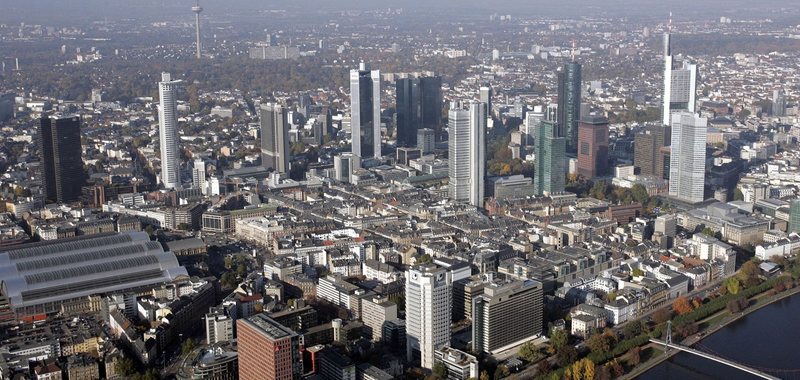
Më shumë të rinj pa punë dhe pa arsim profesional - Perspektivë e pasigurt për të ardhmen në Gjermani
Dhjetë për qind e të rinjve të moshës 20 deri në 24 vjeç në Gjermani nuk ishin as të punësuar dhe as në ndonjë program arsimi apo trajnimi gjatë vitit 2025.......

Bulmeti i huaj po mbush tregun/ Nga qumështi te vezët, fatura që Shqipëria paguan po qëndron në nivele historike
Nga qumështi te djathi, vezët dhe mjalti, fatura që Shqipëria paguan për produktet e sjella nga jashtë po qëndron në nivele historikisht të larta. Vetëm në......