Si dielli po ndryshon hartën energjetike të Shqipërisë - Kapacitetet e instaluara të prodhimit të energjisë u rritën me 34% në katër vjet

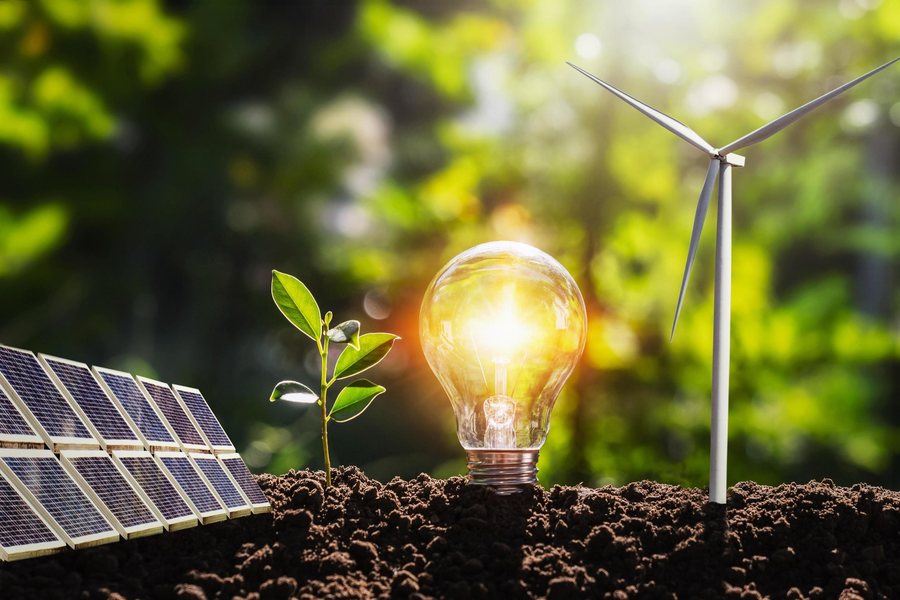
Harta energjetike e Shqipërisë po ndryshon me ritme të shpejta vitet e fundit. Në pak më shumë se katër vjet, vendi ka shtuar rreth 883 MW kapacitete prodhuese, por transformimi më i rëndësishëm nuk qëndron vetëm te numri i megavatëve të rinj port e ndryshimi i burimit të tyre.
Nga një sistem i mbështetur historikisht pothuajse tërësisht te hidrocentralet, Shqipëria po ndërton gradualisht një shtyllë të dytë të prodhimit të energjisë: diellin.
Nëse analizojmë të raportimet perodike të Entit Rregullator të Energjisë, të dhënat tregojnë se në vitin 2021 Shqipëria kishte rreth 2,605 MW kapacitet të instaluar. Ndërsa në fund të vitit 2025 fuqia prodhuese kishte arritur në rreth 3,475 MË, ndërsa në katërmujorin e parë të 2026-s kapaciteti i instaluar i të gjitha centraleve arriti në 3,488.47 MW.
Në raport me vitin 2021, bëhet fjalë për një rritje prej afro 34% të fuqisë prodhuese.
Por brenda kësaj rritjeje, fotovoltaikët kanë pasur një zhvillim shumë më të fortë.
Në vitin 2021 Shqipëria kishte vetëm 23 MW kapacitete fotovoltaike. Në vitin 2023 ato arritën në 188 MW, në 2024 në 449 MW dhe në fund të 2025-s në 631 MW. Brenda vetëm katër viteve, fuqia e instaluar diellore është rritur rreth 27 herë.
Rritja nuk është më vetëm statistikë kapacitetesh, por po reflektohet drejtpërdrejt në prodhim pasi vetëm në 4 vite prodhimi I energjisë nga dielli në totalin e përgjithshëm të prodhimit, është sjhumëfishuar mbi 20 herë.
Edhe struktura e kapaciteteve që po hyjnë në sistem tregon drejtimin e ri të investimeve.
Të dhënat zyrtare tregojnë se po ndryshon gjithashtu përmasa e investimeve. Në 2021, fotovoltaikët evidentoheshin kryesisht përmes impianteve të vogla, shpesh rreth 1–2 MW. Në 2025, në sistem gjenden tashmë parqe prej 20 MW, 50 MW, 100 MW dhe 140 MW.
Pra, tregu ka kaluar nga centrale të vegjël fotovoltaikë në projekte të shkallës industriale.
Ky ndryshim po riformaton edhe gjeografinë energjetike të vendit. Për dekada, harta e prodhimit ndiqte kryesisht lumenjtë dhe zonat malore, ku ndodheshin hidrocentralet. Investimet fotovoltaike po krijojnë një hartë tjetër, të orientuar drejt zonave me rrezatim të favorshëm, sipërfaqe të përshtatshme dhe akses në rrjetin elektrik.
Rëndësia e këtij ndryshimi bëhet më e qartë kur krahasohen vitet 2021 dhe 2025.
Viti 2021 ishte jashtëzakonisht i favorshëm nga pikëpamja hidrike. Vetëm në janar, reshjet në basenin e Drinit arritën 579 mm, rreth 3.3 herë mbi mesataren shumëvjeçare.
Në 2025 situata ishte e kundërt me kushte të thata, me mungesë reshjesh dhe prurje nën mesataren shumëvjeçare, të cilat ndikuan prodhimin vendas dhe rritën nevojën për energji nga jashtë.
Këtu qëndron edhe rëndësia ekonomike e zgjerimit të fotovoltaikëve. Dielli nuk po zëvendëson hidroenergjinë, por po redukton varësinë absolute të sistemit nga një burim i vetëm dhe nga ciklet hidrike.
Në fakt, vetë ERE evidentonte që në vitin 2021 se varësia e prodhimit shqiptar nga burimet hidrike krijonte risk dhe kërkonte diversifikimin e burimeve të prodhimit.
Përgjatë 4 viteve pasuese diversifikimi është në proces materializimi.
Hidrocentralet vazhdojnë të jenë baza e sistemit elektroenergjetik shqiptar dhe kjo nuk pritet të ndryshojë në afat të shkurtër. Por raporti mes dy burimeve po ndryshon me shpejtësi.
Në 2021, dielli siguronte më pak se 0.5% të prodhimit vendas. Në 2025 siguronte rreth 11%.
Kjo është arsyeja pse zhvillimi i viteve të fundit nuk mund të shihet vetëm si një rritje e numrit të paneleve fotovoltaike. Dielli ka kaluar nga një burim periferik në një komponent me peshë reale në bilancin energjetik të vendit.
Shqipëria ka megjithatë një avantazh të rëndësishëm: hidrocentralet me rezervuarë dhe fotovoltaikët mund të plotësojnë njëri-tjetrin. Gjatë orëve me prodhim të lartë diellor mund të kursehet ujë në rezervuarë, për t'u përdorur kur dielli nuk prodhon ose kur kërkesa është më e lartë.

Kredia po bëhet më e lirë? - BSH: Rënia e interesave favorizon bizneset, ndërsa individët përballen me kosto më të lartë
Kostoja e marrjes së një kredie ka shënuar një lehtësim të lehtë gjatë tremujorit të dytë të vitit. Të dhënat e Bankës së Shqipërisë tregojnë se normat e......

Shqipëria, drejt hapjes së një tregu të ri financiar - Në shtator, drafti i parë për Taksonominë Kombëtare të Gjelbër
Shqipëria po hedh bazat për një treg të ri të financimit të gjelbër, në një kohë kur ndryshimet klimatike po shndërrohen jo vetëm në një problem mjedisor,......
Mbi 1.6 mld lekë për rigjenerimin urban të banesave në 12 qarqe - FSHZH hap garën, synohet rritje e eficiencës energjetike e përmirësim të kushteve
Fondi Shqiptar i Zhvillimit ka shpallur hapjen e garës për projektin “Rigjenerimi urban i stokut të banesave, Faza IV”, që parashikon ndërhyrje në 12 qarqe......

Forcimi i lekut “zbuti” inflacionin nga jashtë - Themeli: Banka e Shqipërisë pret një rritje të lehtë të çmimeve në muajt e ardhshëm
Kursi i këmbimit, pra forcimi i lekut dhe zhvlerësimi i euros, kanë bërë të mundur që rritja e çmimeve jashtë vendit të mos përcillej aq shumë në ekonominë......
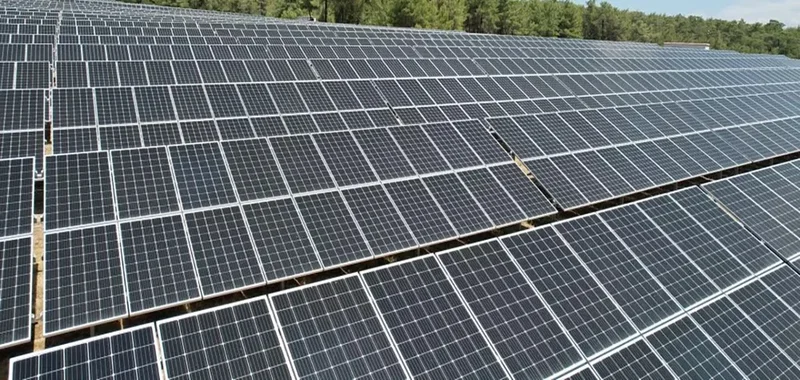
Dy parqe të mëdha fotovoltaike në Shqipëri - ERE nis procedurat për 120 MW në Lushnjë dhe Devoll
Dy projekte të reja fotovoltaike, me një kapacitet të kombinuar prej 120 MW, kanë avancuar në procedurat rregullatore për prodhimin e energjisë elektrike në......

Huatë mbi 5 vjet “pushtojnë” portofolin/ Fitojnë terren në tremujorin e dytë. Vlora kryeson me peshën më të madhe
Huatë me afat mbi 5 vjet po zënë pjesën më të madhe të portofolit të huave në Shqipëri. Në fund të tremujorit të dytë të vitit 2026, ato përbënin rreth 65.7%......
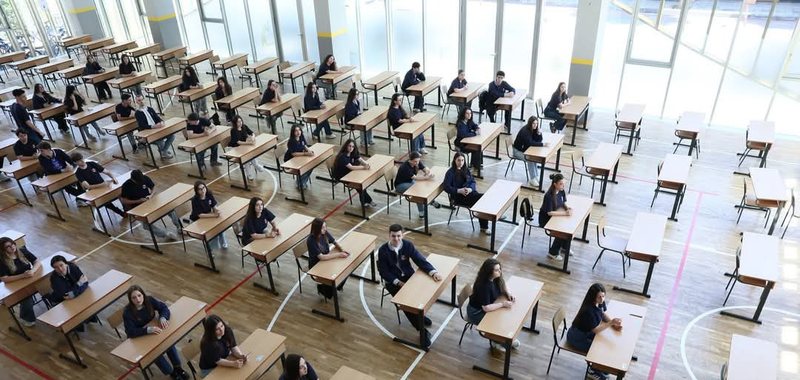
Matura, sesioni i dytë nis më 24 gusht - Provimet zgjasin deri më 3 shtator, rreth 1,300 ngelës në fazën e parë
Sesioni i dytë i Maturës Shtetërore dhe Maturës Shtetërore Profesionale 2026 do të nisë më 24 gusht. Ministria e Arsimit dhe Ministria e Ekonomisë dhe......

Sa kushton turizmi malor në Shqipëri? Nga Dajti te Alpet dhe Korabi, çmimet për çdo buxhet
Sezoni i verës nuk nënkupton vetëm pushime në plazh. Ndërsa bregdeti mbetet zgjedhja kryesore për shumë shqiptarë dhe turistë të huaj, vitet e fundit edhe......