Islanda i thotë “jo” BE-së - Referendumi rrëzon rihapjen e negociatave


Islandezët kanë votuar kundër rihapjes së bisedimeve për anëtarësimin e vendit në Bashkimin Evropian, duke i dhënë fund, të paktën për momentin, përpjekjes së qeverisë për të rikthyer në tryezë negociatat me Brukselin.
Sipas rezultateve të referendumit, 52.8% e votuesve votuan kundër, ndërsa 47.2% në favor të propozimit për zhvillimin e negociatave të anëtarësimit. Pjesëmarrja ishte e lartë, me 82.5% të votuesve të regjistruar që morën pjesë në votim.
Rezultati u konsiderua një goditje për mbështetësit e integrimit evropian dhe përpjekjet e qeverisë së qendrës së majtë për ta rikthyer çështjen e anëtarësimit në axhendën politike.
Nga gjashtë zonat zgjedhore të Islandës, vetëm dy zona në Reykjavik votuan në shumicë pro rihapjes së negociatave, ndërsa zonat rurale dhe periferitë e kryeqytetit u shprehën kundër.
Peshkimi, argumenti kryesor kundër BE-së
Një nga çështjet më të ndjeshme gjatë fushatës ishte industria e peshkimit, e cila ka një rëndësi të madhe për ekonominë islandeze.
Kundërshtarët e anëtarësimit argumentuan se hyrja në BE mund të kufizonte kontrollin e Islandës mbi burimet e saj detare dhe kuotat e peshkimit. Industria e peshkimit kontribuon rreth 15% të PBB-së, përmes ndikimit të drejtpërdrejtë dhe të tërthortë, dhe përbën rreth 40% të të ardhurave nga eksportet.
Mbështetësit e anëtarësimit, nga ana tjetër, argumentuan se anëtarësimi do t'i jepte Islandës përfitime ekonomike dhe një pozicion më të fortë në kushtet e ndryshimeve gjeopolitike dhe rritjes së rivalitetit në Arktik.
Ekonomia dhe euroja në qendër të debatit
Debati për BE-në u zhvillua gjithashtu në një periudhë të vështirë ekonomike për Islandën, e cila po përballet me inflacion dhe norma të larta interesi.
Mbështetësit e “po”-së argumentuan se anëtarësimi dhe mundësia e adoptimit të euros mund të ndihmonin në stabilizimin ekonomik. Norma bazë e interesit në Islandë është aktualisht 8%, dukshëm më e lartë se norma e Bankës Qendrore Evropiane.
Kundërshtarët e integrimit, megjithatë, e konsideruan të ekzagjeruar idenë se Brukseli do të mund të zgjidhte problemet ekonomike të vendit, duke insistuar se ato duhet të adresohen nga vetë politika islandeze.
Një debat që zgjat prej më shumë se një dekade
Islanda aplikoi për anëtarësim në BE në vitin 2009, në kulmin e krizës financiare që goditi ekonominë e vendit. Negociatat nisën më pas, por u ndërprenë në vitin 2013 nga një qeveri euroskeptike.
Përpjekja e fundit për rikthimin e çështjes në tryezën e negociatave u paraqit nga qeveria si një mundësi për të forcuar pozicionin e Islandës përballë pasigurive ekonomike, luftërave tregtare dhe zhvillimeve strategjike në Arktik.
Rezultati i referendumit tregon se, pavarësisht mbështetjes për një lidhje të ngushtë me Evropën, shumica e islandezëve nuk janë ende të gatshëm të hapin sërish procesin e anëtarësimit në BE.

Prokurimet Publike, 122 ankesa në korrik - KPP i shqyrton mesatarisht për 34 ditë
122 ankesa janë regjistruar gjatë muajit korrik pranë Komisionit të Prokurimit Publik. Shumica e tyre lidhen me procedurat e prokurimit për mallra dhe......
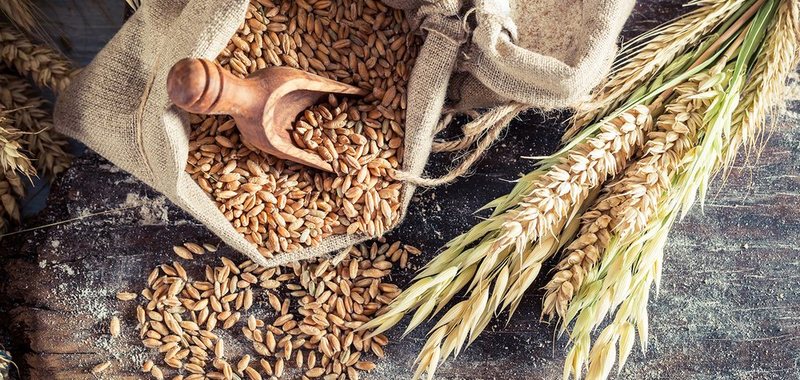
Gruri dhe misri në pikiatë, vetëm elbi me rritje - Drithërat, pranë minimumit të 6 viteve. Humbëm mesatarisht 12 mijë tonë në vit
Prodhimi i drithërave në vend ka vijuar rënien edhe gjatë vitit 2025. Sipas të dhënave për prodhimin e bimëve të arave, gjatë vitit të kaluar u prodhuan 624......
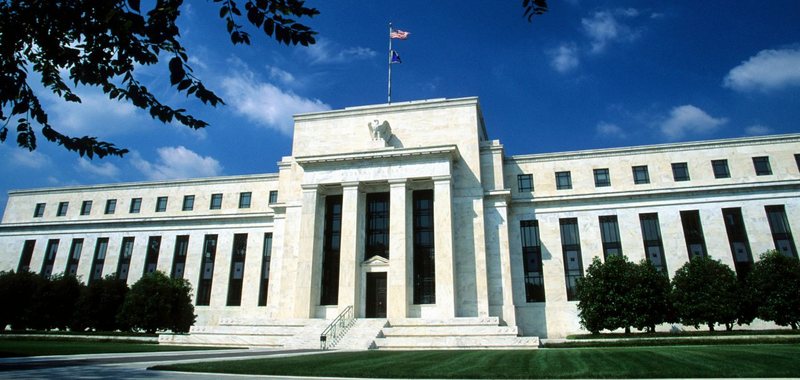
Fed: Inflacioni në SHBA, “shqetësues”- Mundësia që normat e interesit të mbeten të pandryshuara mbetet e hapur
Kryetari i Rezervës Federale, Kevin Warsh, tha se niveli i inflacionit në SHBA është "shqetësues", duke shtuar se është "e vështirë" të karakterizosh......
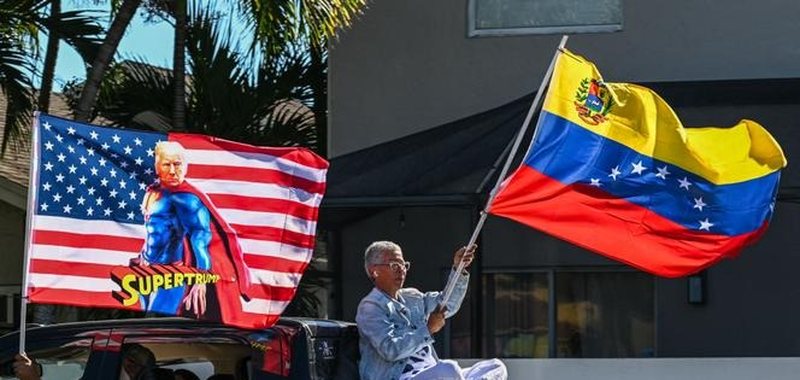
Marreveshje historike e naftës SHBA-Venezuelë - 100 mld USD investime private. Do të gjenerojë mbi 209 mld USD të ardhura
Presidenti i SHBA-së, Donald Trump, njoftoi arritjen e një marrëveshjeje për të marrë kontrollin e një pjese të rezervave të mëdha të naftës në Venezuelë.......
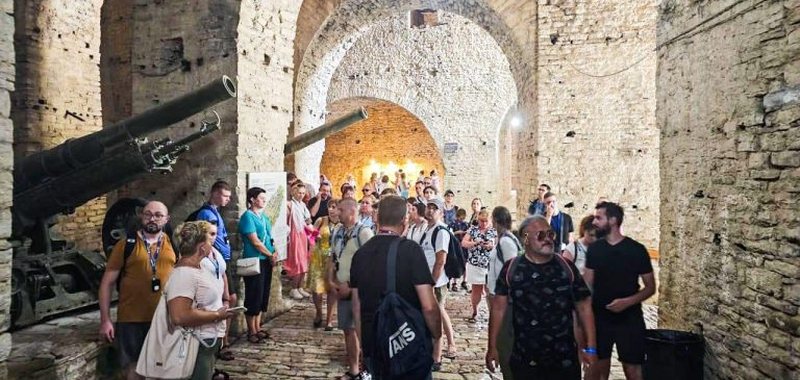
Trashëgimia kulturore shton të ardhurat - Ministri Gonxhja: 108% më shumë se në vitin 2025
Instituti Kombëtar i Trashëgimisë Kulturore (IKTK) raporton rritje të aktivitetit gjatë 7-mujorit të vitit 2026. Të dhënat janë bërë publike nga Ministri i......
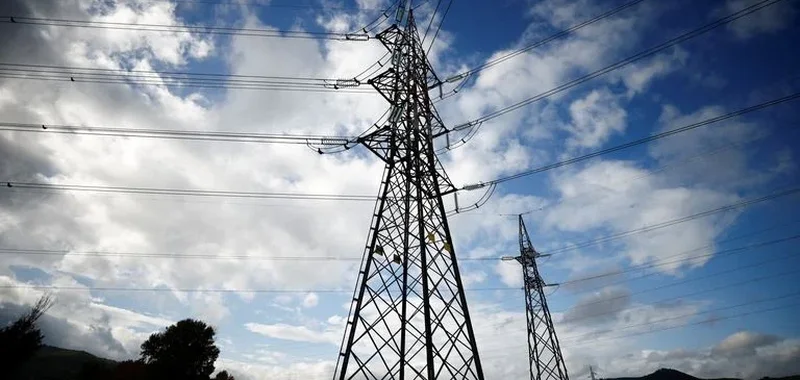
Humbjet në rrjetin elektrik nuk ndryshuan - Prill-qershor / Rritje në sistemin e transmetimit, ulje në shpërndarje
Rreth 320 gWh energji elektrike humbën në rrjet gjatë 3-mujorit të dytë të këtij viti, një sasi thuajse e pandryshuar në raport me të njëjtën periudhë të......
Irani po rivizaton hartën globale të tregtisë - Vendet e Gjirit, miliarda USD investime në portet e Detit të Kuq
Rivizatimi i hartës globale të tregtisë nga lufta e Iranit po i detyron vendet e Gjirit të ripërshtasin strategjinë e tyre të investimeve, duke investuar......

Gjashtë muaj nga lufta në Iran - Konflikti që do zgjaste pak javë, nuk ka një fund në horizont
E premtja shënoi gjashtë muaj që kur Shtetet e Bashkuara dhe Izraeli nisën operacionet luftarake në Iran, ndërsa Teherani u kundërpërgjigj duke sulmuar......