Rezerva strategjike e naftës, nën 300 mln fuçi - SHBA regjistron nivelin më të ulët që nga viti 1983

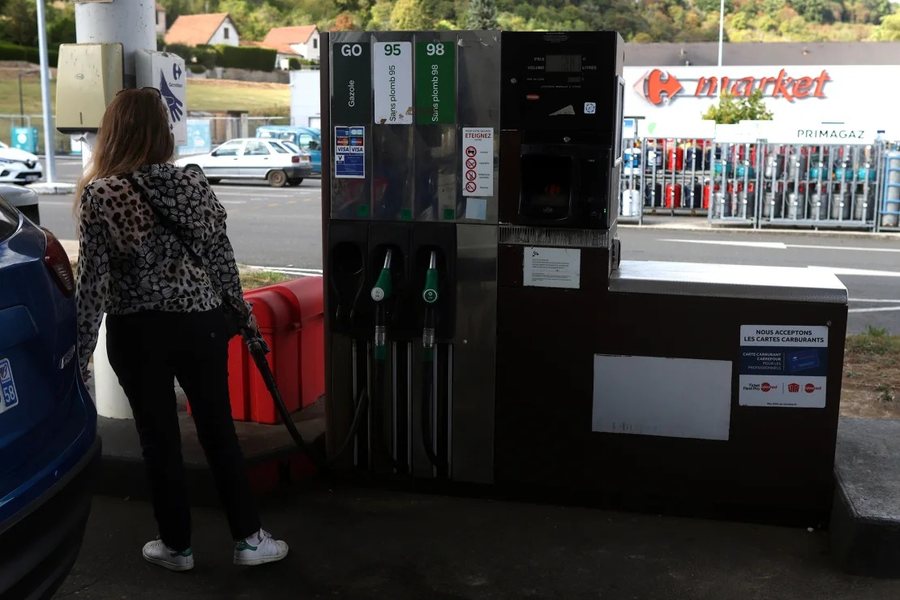
Rezerva Strategjike e Naftës e SHBA-së ra në 298.7 milionë fuçi javën e kaluar, duke kaluar nën shifrën e 300 milionë fuçive për herë të parë në më shumë se katër dekada, bazuar në shifrat që Departamenti i Energjisë publikoi. Rezerva humbi 6.1 milionë fuçi në një javë.
Rënia e prodhimit daton që nga një lirim prej 172 milionë fuçish që Presidenti Donald Trump autorizoi në mars, pas lëvizjes së Iranit për të kufizuar dërgesat e naftës përmes Ngushticës së Hormuzit. Përpara se SHBA-të dhe Izraeli të nisnin sulmin e tyre ndaj Iranit më 28 shkurt, rezerva mbante afërsisht 415 milionë fuçi. Rezerva ka një kapacitet të autorizuar prej 714 milionë fuçish.
Lëshimi i naftës nga SHBA-të përputhet me një përpjekje më të gjerë të koordinuar nga IEA, në të cilën vendet anëtare kanë angazhuar së bashku 400 milionë fuçi për tregjet globale - një shkallë mobilizimi të stoqeve emergjente që organizata nuk e ka ndërmarrë kurrë më parë.
Rënia e inventarit ka tërhequr vëmendjen ndaj gjendjes fizike të rezervës, si dhe niveleve të furnizimit të saj. Një raport i Zyrës së Përgjegjësisë Qeveritare të publikuar në fillim të korrikut zbuloi se SPR mund të tërhiqte naftë vetëm me rreth 61% të normës së saj të synuar fillimisht që nga dhjetori 2025, ndërsa kapaciteti i saj për të pranuar naftë bruto të kthyer kishte rënë në 56% të specifikimeve të projektimit, sipas S&P Global.
Në vend të shitjeve të drejtpërdrejta, veprimi aktual funksionon përmes një mekanizmi huadhënieje: qeveria liron naftë të papërpunuar për kompanitë që duhet të kthejnë të njëjtin vëllim plus një premium në një datë të mëvonshme, sipas S&P Global . Departamenti i Energjisë ka kontraktuar më shumë se 133 milionë fuçi, me prime ripagimi që arrijnë deri në 28% për marrëveshjet individuale.
Rezerva mbetet mbi minimumin e saj statutor prej 252.4 milionë fuçi, gjë që kufizon disa tërheqje sipas Aktit të Politikës dhe Ruajtjes së Energjisë.

Rritet numri i viktimave nga tërmeti në Kolumbi - Të paktën 164 persona. Vijojnë përpjekjet e shpëtimit
Përpjekjet e shpëtimit në të gjithë Kolumbinë perëndimore vazhduan në ditën e dytë të martën, ndërsa punonjësit e emergjencës gërmuan nëpër ndërtesa të......
“Tejkaloni ngërçin politik” - Biznesi, apel klasës politike: Kosovës i duhen institucione funksionale
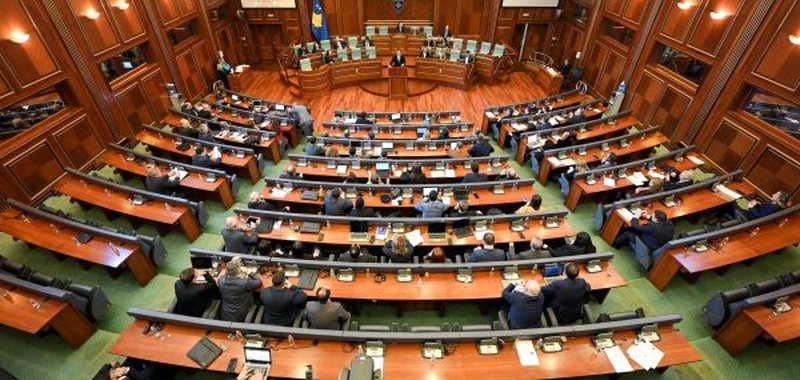
Dhoma e Tregtisë dhe Industrisë Kosovë (DHTIK) ka shprehur shqetësim për vonesat në konstituimin e institucioneve të vendit, duke kërkuar nga partitë......

Kufizim të furnizimit me ujë të pijshëm - Në rreth 70% të Francës për shkak të thatësirës
Qeveria franceze tha se gati 70% e vendit po përballet me kufizime në përdorimin e ujit të pijshëm, ndërsa kushtet e thatësirës përkeqësohen për shkak të......
Trump pretendon kontroll të plotë të Hormuzit - Irani vendos kushte për rihapjen e ngushticës
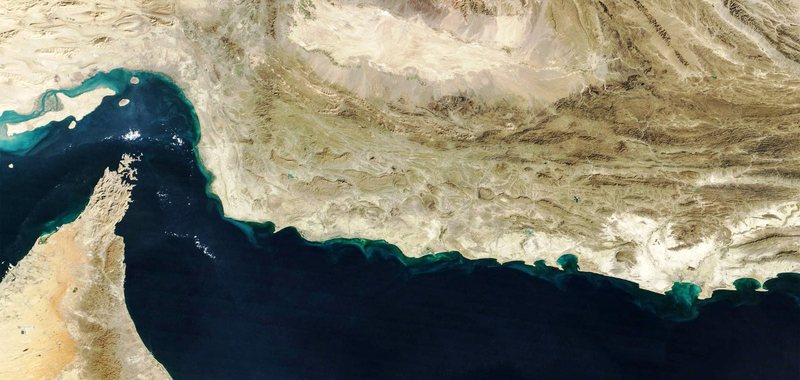
Presidenti i SHBA-së, Donald Trump, tha se Marina Amerikane ka "100 për qind" kontroll mbi Ngushticën e Hormuzit, ndërsa Irani këmbëngul që Uashingtoni duhet......

Nga filmat, moti, Saranda dhe kursi i këmbimit/ Çfarë kërkuan më shumë shqiptarët në Google?
Kërkimet online gjatë ditëve të fundit tregojnë një miks interesash në vend, nga sporti dhe moti te informacionet praktike dhe destinacionet turistike. Disa......

Perimet dhe peshku, “luksi” i verës/ Rreth 10% më shtrenjtë se një vit më parë, ushqimet marrin sërish hov
Çmimet e ushqimeve u rritën më shpejt në korrik, me presionin më të fortë që erdhi nga perimet, peshku dhe mishi. Në total, ushqimet dhe pijet joalkoolike u......

ARRSH sqaron hyrje-daljen në Papër: Nyja do të ndërtohet në një fazë të mëtejshme
Autostrada Elbasan–Rrogozhinë parashikon lidhjen e Papërit, Cërrikut dhe zonave përreth me aksin e ri Autoriteti Rrugor Shqiptar (ARRSH) ka reaguar lidhur me......

Nis realizimi i fazës së tretë të Korridorit Hekurudhor 8 në Maqedoninë e Veriut
Zëvendësministrja e Transportit dhe Lidhjeve, Kaltrina Zekolli-Shaqiri, ka njoftuar se ka nisur realizimi i fazës së tretë të Korridorit Hekurudhor 8, të......